


Transform your Windows machine into a powerful AI development hub. With Claude Code Windows, you gain direct access to advanced artificial intelligence, right where you work. No longer confined to cloud interfaces, experience the seamless integration of cutting-edge AI capabilities into your everyday pc coding projects.
Imagine generating sophisticated code, crafting compelling content, or building intelligent applications with unprecedented speed and precision. Claude for Windows brings this vision to life, empowering developers, data scientists, and innovators to push the boundaries of what’s possible in the realm of microsoft ai. Get ready to unleash a new era of productivity and creativity on your desktop.
- Understanding Claude and Its Core Functionality
- What Makes Claude Unique Among AI Models?
- The Strategic Advantages of Running Claude Code on Windows
- Integrating AI into Existing Windows Workflows
- Essential Prerequisites for Your Windows Development Environment
- Recommended System Specifications for Optimal Performance
- Accessing Claude: API, SDK, and Local Options
- Setting Up Python for Claude Code Windows Development
- Managing Virtual Environments for AI Projects
- Integrating Claude’s API into Your Applications
- Practical Examples of Claude Code Windows Implementations
- Developing AI Assistants and Chatbots with Claude
- Leveraging Claude for Content Generation and Summarization
- Troubleshooting Common Issues in Claude Code Windows Environments
- Performance Optimization Techniques for AI Applications
- Data Privacy and Security Best Practices
- Exploring Advanced Features and Customizations
- Community Resources and Support for Developers
- The Future of AI Development with Claude on Windows
- Frequently Asked Questions
Understanding Claude and Its Core Functionality
Claude represents a powerful family of large language models, designed to engage in natural conversation and perform a wide array of text-based tasks. It excels at understanding complex prompts, generating coherent and relevant responses, and processing vast amounts of information.
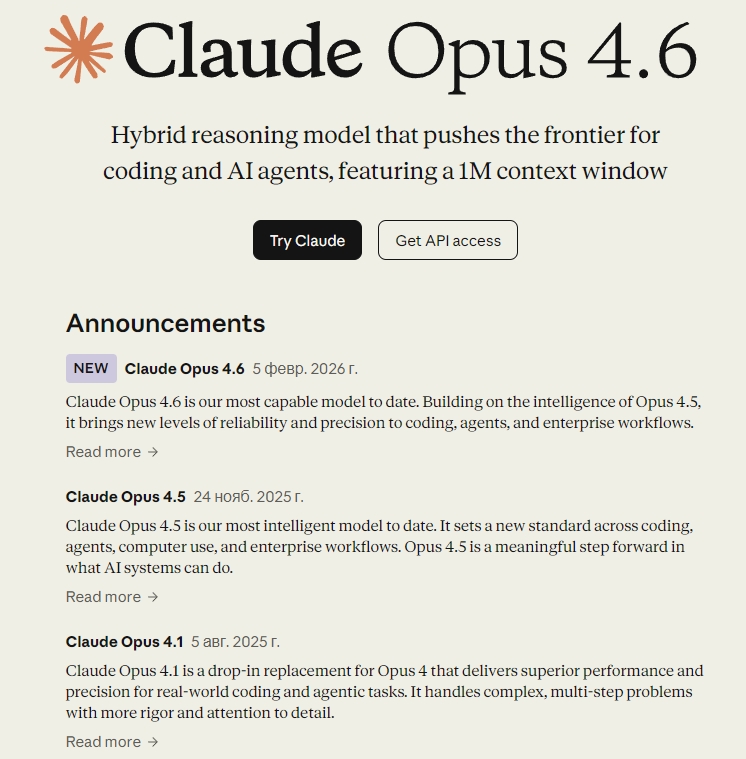
Its core functionality spans across various domains, making it a versatile tool for developers and businesses alike. Claude focuses on safety and helpfulness, striving to deliver responses that are both informative and responsible. Think of it as a highly capable assistant, ready to process, analyze, and create text with remarkable fluency.
- Natural Language Processing: Understands and generates human language with high fidelity.
- Contextual Awareness: Maintains conversation context over extended interactions, leading to more coherent dialogues.
- Reasoning Capabilities: Can follow complex instructions and perform multi-step reasoning tasks.
- Text Generation: Creates diverse forms of written content, from creative stories to technical explanations.
- Information Extraction: Identifies and extracts key data points from unstructured text.
What Makes Claude Unique Among AI Models?
Claude stands out in the AI landscape due to its foundational principles and architectural design. Developers choose Claude for specific reasons that set it apart from other leading models.
Claude prioritizes helpfulness, harmlessness, and honesty, making it a reliable partner for sensitive applications.
Its distinctive features include:
- Constitutional AI: Built with a focus on safety and ethical alignment from the ground up, minimizing harmful outputs.
- Longer Context Windows: Processes and remembers significantly more information within a single interaction, enabling deeper conversations and more comprehensive analyses.
- Advanced Reasoning: Demonstrates strong logical reasoning abilities, crucial for tasks requiring intricate problem-solving or complex data synthesis.
- Reduced Hallucinations: Engineered to produce more factually grounded responses, enhancing reliability for critical applications.
- Steerability: Offers enhanced control over its behavior and output style through robust system prompts.
The Strategic Advantages of Running Claude Code on Windows
Bringing Claude Code Windows development to your desktop offers a host of strategic benefits. You gain immediate access to advanced AI without the constant reliance on web browsers or specific cloud environments for development. This integration streamlines your workflow and amplifies your existing infrastructure.
Working directly on Windows leverages the familiar and powerful ecosystem you already know. Enjoy robust debugging tools, native file system access, and the ability to integrate AI components directly into your local applications. This approach simplifies development cycles, reduces latency for local testing, and offers a more secure environment for handling sensitive project data.
| Advantage Area | Benefit Description |
|---|---|
| Workflow Integration | Seamlessly blend AI capabilities into existing Windows applications and scripts. |
| Local Control | Manage your development environment, dependencies, and data directly on your machine. |
| Familiar Tools | Utilize popular Windows IDEs, command-line tools, and development utilities. |
| Offline Prototyping | Develop and test application logic that interacts with Claude’s API, even without constant internet access (for API calls, internet is needed, but local app development continues). |
Integrating AI into Existing Windows Workflows
The beauty of developing Claude Code Windows solutions lies in its effortless integration into your established pc coding practices. You do not need to overhaul your entire development pipeline. Instead, you can incrementally infuse AI capabilities where they provide the most value.
Developers often build on platforms like .NET, Java, or Node.js on Windows. Claude’s API provides a language-agnostic interface, allowing you to incorporate its power into virtually any application. Use Python scripts to call Claude from within a larger C# application, automate data processing in Excel with VBA-triggered Python scripts, or enhance a desktop app with intelligent content generation features. Your existing toolchain, from Visual Studio to VS Code, becomes a powerful platform for AI innovation.
Common integration points include:
- Adding AI-powered text analysis to enterprise applications.
- Enhancing custom scripting with intelligent decision-making.
- Automating report generation or data summaries directly within desktop tools.
- Building smart user interfaces that leverage Claude for dynamic responses.
Essential Prerequisites for Your Windows Development Environment
Before you dive into developing with Claude Code Windows, set up a solid foundation. A well-configured environment saves you time and prevents headaches down the line. You need fundamental tools to get started effectively.
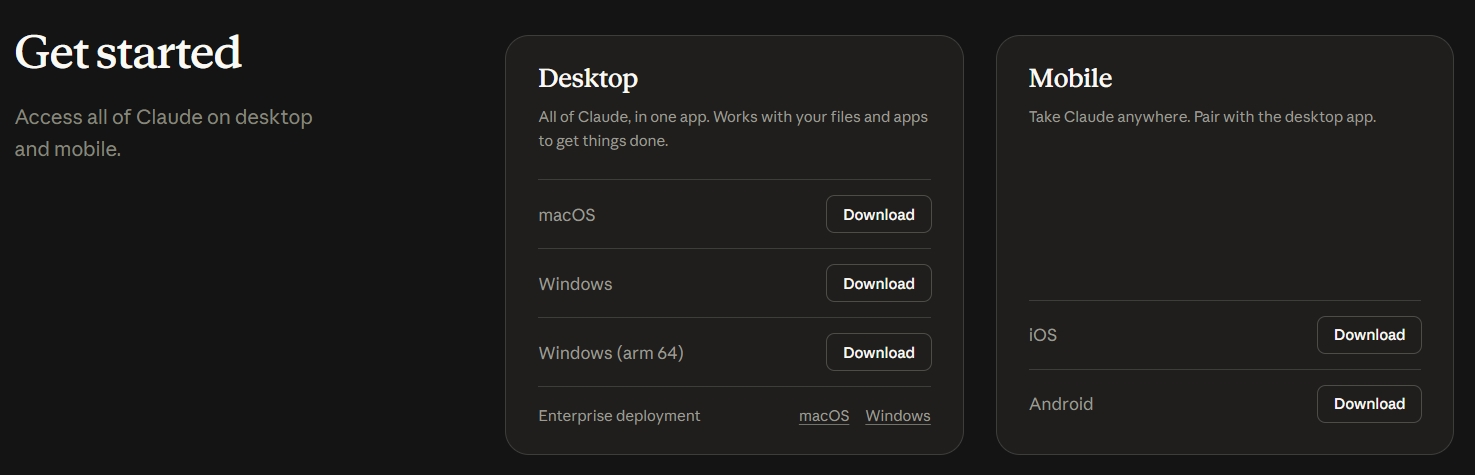
Here’s what you absolutely need:
- Python: Claude’s primary SDK and most community examples use Python. Install a recent stable version.
- Integrated Development Environment (IDE): Choose one that suits your style. Visual Studio Code is a popular, lightweight, and highly extensible choice for Python development on Windows.
- Command-Line Interface: Familiarity with PowerShell or Command Prompt is crucial for managing Python, installing packages, and running scripts.
- Internet Connection: Essential for accessing Claude’s API and downloading necessary libraries.
- API Key: Obtain an API key from Anthropic to authenticate your requests to Claude.
Recommended System Specifications for Optimal Performance
While Claude runs in the cloud, your local development environment for Claude Code Windows still benefits significantly from robust hardware. Optimal system specifications ensure smooth coding, rapid testing, and efficient handling of any local data processing before or after API calls.
Focus on these areas to create a high-performance setup:
| Component | Recommendation | Why it matters for pc coding |
|---|---|---|
| Processor (CPU) | Intel Core i7/i9 (10th Gen+), AMD Ryzen 7/9 (3000 series+) | Handles complex IDEs, multiple background processes, and local script execution with ease. |
| Memory (RAM) | 16GB minimum, 32GB or more recommended | Crucial for running large IDEs, numerous browser tabs, and processing large datasets locally. |
| Storage | 500GB+ NVMe SSD | Significantly speeds up operating system, application loading, and file I/O operations. |
| Graphics Card (GPU) | Not strictly necessary for Claude API calls, but beneficial for other AI tasks (e.g., local model inference) | If you plan broader microsoft ai development, a dedicated GPU (NVIDIA RTX series) accelerates many local AI workloads. |
Accessing Claude: API, SDK, and Local Options
Interacting with Claude primarily happens through its robust API. This Application Programming Interface acts as your gateway, allowing your Claude Code Windows applications to send requests and receive intelligent responses from the model running in Anthropic’s cloud infrastructure.
For ease of use, Anthropic provides Software Development Kits (SDKs) for popular languages like Python. These SDKs wrap the raw API calls, providing convenient functions and objects that simplify integration. Instead of constructing complex HTTP requests manually, you simply call a method in the SDK. While Claude itself operates as a cloud service, your “local options” refer to the applications you build on your Windows desktop that leverage these SDKs to communicate with Claude’s API, bringing its power directly into your local development environment and applications.
Setting Up Python for Claude Code Windows Development
Python forms the backbone of most Claude Code Windows projects. Getting your Python environment correctly configured on Windows is the first critical step. Follow these straightforward steps to ensure a smooth setup.
- Download Python: Visit the official Python website (python.org) and download the latest stable version for Windows.
- Run Installer: Launch the installer. Make sure to check the box that says “Add Python to PATH” during installation. This step is vital for running Python commands from any directory in your command prompt.
- Verify Installation: Open a new Command Prompt or PowerShell window. Type
python --versionand thenpip --version. You should see the installed versions of Python and its package manager, pip. - Upgrade Pip (Optional but Recommended): Run
python -m pip install --upgrade pipto ensure you have the latest version of pip, which handles package management.
With Python installed and added to your PATH, you’re ready to manage dependencies and start building your claude windows applications.
Managing Virtual Environments for AI Projects
Effective dependency management is crucial for any pc coding project, especially when working with AI libraries. Python virtual environments isolate project dependencies, preventing conflicts between different projects and keeping your global Python installation clean. This practice is a cornerstone of professional development.
Always activate your project’s virtual environment before installing packages or running scripts related to that project.
Here’s how you manage them:
- Create a Virtual Environment:
This command creates a new directory namedpython -m venv my_claude_envmy_claude_envcontaining a private Python interpreter and pip installation. - Activate the Environment:
You will see the environment’s name (e.g.,.\my_claude_env\Scripts\activate(my_claude_env)) appear in your terminal prompt, indicating it is active. - Install Dependencies:
Install the necessary libraries, like the Anthropic SDK, directly into your active virtual environment.pip install anthropic - Deactivate the Environment:
When you finish working on the project, simply deactivate the environment.deactivate
Integrating Claude’s API into Your Applications
Integrating Claude’s API into your Claude Code Windows applications forms the core of your AI development. This process involves a structured approach to communication between your local code and the cloud-based AI model. You’ll send requests and interpret responses, unlocking a world of intelligent features.
The general workflow includes:
- Authentication: Securely provide your API key with each request to authorize access to Claude’s services.
- Constructing Prompts: Craft clear, concise, and effective prompts that guide Claude to produce the desired output. This often involves specifying the role (e.g., user, assistant, system) for each part of the conversation.
- Making API Calls: Utilize the Anthropic Python SDK (or your chosen language’s library) to send your prompt to Claude’s endpoint.
- Handling Responses: Parse the JSON response received from Claude, extracting the generated text or other structured data.
- Error Management: Implement robust error handling to gracefully manage issues like network failures, invalid API keys, or rate limits.
This systematic approach ensures your applications communicate effectively with Claude, providing reliable and powerful AI capabilities.
Practical Examples of Claude Code Windows Implementations
Beyond simple chatbots, Claude Code Windows opens up a realm of practical applications directly on your desktop. Leverage Claude to automate complex text-based tasks, enhance productivity, and build truly intelligent solutions. Here are a few diverse examples:
- Automated Code Review Assistant: Feed code snippets into Claude and receive suggestions for improvements, bug detection, or refactoring advice. This speeds up development cycles and improves code quality.
- Intelligent Data Extractor: Process unstructured text documents (e.g., invoices, reports) and use Claude to extract specific entities like dates, names, amounts, or key summary points directly into a structured format.
- Personalized Learning Tutors: Develop applications that adapt teaching material based on a user’s questions and understanding, providing tailored explanations and examples.
- Dynamic Documentation Generator: Automatically create or update technical documentation, user manuals, or FAQs based on new features or project updates, ensuring consistent and current information.
- Research and Synthesis Tool: Submit multiple articles or research papers to Claude, asking it to synthesize key findings, identify conflicting information, or generate new hypotheses.
These examples highlight Claude’s versatility in empowering your pc coding projects with advanced AI capabilities.
Developing AI Assistants and Chatbots with Claude
Building intelligent assistants and chatbots becomes a streamlined process with Claude for Windows. Claude’s conversational prowess makes it an ideal engine for creating responsive and engaging dialogue systems. You can craft experiences that truly understand user intent and provide helpful, contextually aware responses.
Key considerations when developing these applications:
- Prompt Engineering: Design effective system prompts that define your assistant’s persona, rules, and objectives. This guides Claude’s behavior consistently.
- Context Management: Implement mechanisms to store and recall conversation history, allowing Claude to maintain context over multiple turns and provide relevant follow-up.
- User Intent Recognition: Use Claude to interpret user queries, identifying the core task or question, even with ambiguous language.
- Response Generation: Leverage Claude’s ability to generate natural, human-like responses, tailored to the specific user and conversation state.
- Tool Use: Integrate external tools or functions that Claude can invoke to fetch real-time data or perform actions, expanding the assistant’s capabilities beyond pure text generation.
With careful design, your Claude Code Windows chatbot can become an invaluable resource for customer support, information retrieval, or interactive user experiences.
Leveraging Claude for Content Generation and Summarization
Content creation and information digestion receive a significant boost when you integrate Claude Code Windows into your workflow. Claude excels at transforming ideas into coherent text and distilling lengthy documents into essential insights, saving immense time and effort.
For content generation, you can:
- Draft Articles and Blog Posts: Provide a topic and key points; Claude can generate full drafts, requiring only minor human refinement.
- Create Marketing Copy: Develop compelling headlines, product descriptions, social media posts, or email content tailored to specific audiences.
- Generate Creative Writing: Produce stories, poems, or scripts based on prompts, exploring new narrative possibilities.
- Develop Learning Materials: Create explanations, examples, or quiz questions for educational purposes.
For summarization tasks, Claude can:
- Condense Long Documents: Automatically extract the most important information from reports, legal texts, or research papers.
- Summarize Meetings or Conversations: Provide concise overviews of spoken interactions, highlighting decisions and action items.
- Extract Key Takeaways: Identify main arguments or themes across multiple related texts, offering a bird’s-eye view.
This powerful duo of generation and summarization makes claude for windows an indispensable tool for writers, marketers, and researchers.
Troubleshooting Common Issues in Claude Code Windows Environments
Even with careful setup, you might encounter issues when developing with Claude Code Windows. Knowing how to diagnose and resolve common problems efficiently keeps your projects on track. Here are typical hurdles and their solutions:
- API Key Not Working: Double-check your API key for typos. Ensure it has the correct permissions and has not expired. Regenerate it if necessary.
- Dependency Conflicts: If `pip install` fails or scripts produce unexpected errors, your virtual environment might have conflicting package versions. Activate your virtual environment and check
pip freezefor unexpected packages. Recreate the environment if needed. - Network Connection Issues: Verify your internet connection. Claude’s API requires a stable connection. Check proxy settings or firewall rules if you suspect they block outbound requests.
- Rate Limit Exceeded: If you send too many requests too quickly, Claude’s API might return a rate limit error. Implement exponential backoff in your code to automatically retry requests after a delay.
- Incorrect Prompt Structure: Claude is sensitive to prompt formatting. Ensure your prompts follow the expected message structure (e.g., user, assistant roles) and that your instructions are clear and unambiguous.
- Python Environment Path Errors: If you get “Python not found” or “pip not found,” Python isn’t correctly added to your system’s PATH. Re-run the Python installer and ensure the “Add Python to PATH” option is selected.
Systematic debugging, starting with the most basic checks, helps you quickly pinpoint and fix these common problems.
Performance Optimization Techniques for AI Applications
Maximizing the efficiency of your Claude Code Windows applications is key for scalability and cost-effectiveness. Thoughtful optimization ensures your AI solutions run swiftly and consume resources responsibly. Focus on these techniques to boost performance:
- Prompt Engineering for Conciseness: Craft prompts that are clear and provide just enough context. Excessively long prompts consume more tokens, increasing latency and cost.
- Batching Requests: When possible, combine multiple independent requests into a single API call if the Claude API supports it. This reduces network overhead.
- Asynchronous API Calls: For applications making multiple, non-dependent Claude requests, use asynchronous programming (e.g., Python’s
asyncio) to send requests concurrently, rather than waiting for each one to complete. - Caching Responses: For frequently asked questions or stable data, cache Claude’s responses locally. This avoids redundant API calls and dramatically speeds up response times for repeated queries.
- Error Handling with Backoff: Implement exponential backoff for API retries. This prevents overwhelming the API during transient issues and ensures your application recovers gracefully without constant retries.
- Minimize Data Transfer: Only send necessary data to Claude and request only the essential output. Reducing the amount of data transmitted reduces both latency and bandwidth usage.
Applying these strategies helps you build highly performant and efficient microsoft ai applications on your desktop.
Data Privacy and Security Best Practices
When developing Claude Code Windows applications, prioritizing data privacy and security is paramount. Handling user data or sensitive information requires a commitment to robust practices. Ensure your AI solutions are not only powerful but also trustworthy.
Building secure and privacy-conscious AI applications fosters trust and protects your users and your projects.
- Secure API Key Management: Never hardcode API keys directly into your source code. Use environment variables or secure configuration files. Rotate keys regularly.
- Data Minimization: Only send the absolutely necessary data to Claude’s API. Avoid transmitting personally identifiable information (PII) if your application doesn’t strictly require it.
- Anonymization and Pseudonymization: Before sending data to Claude, anonymize or pseudonymize sensitive user data whenever possible. This reduces privacy risks.
- Understand Data Usage Policies: Familiarize yourself with Anthropic’s data usage policies. Know how your data is handled, stored, and used for model training or improvement.
- Access Controls: Implement strict access controls for any local data stored or processed by your claude windows application.
- Regular Security Audits: Periodically review your code and infrastructure for vulnerabilities. Keep all dependencies and libraries updated.
Exploring Advanced Features and Customizations
Move beyond basic prompts and unlock the full potential of Claude Code Windows with its advanced features and customization options. These capabilities allow you to fine-tune Claude’s behavior, integrate it with external systems, and build truly sophisticated AI solutions.
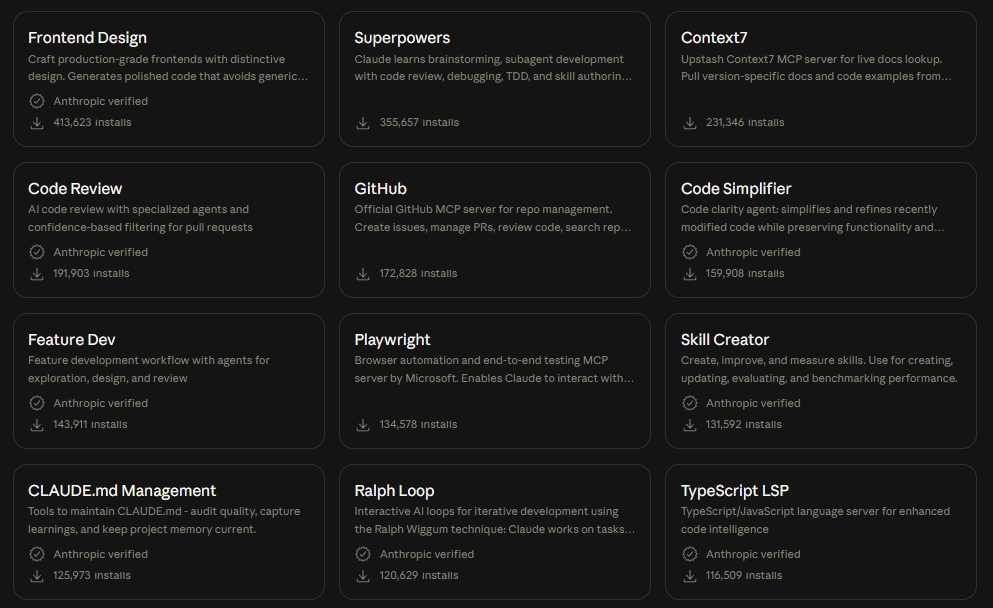
Delve into these powerful aspects:
- System Prompts: Define the overarching persona, role, and constraints for Claude before any user interaction. This provides consistent guidance for the AI model, ensuring it adheres to specific brand voices or safety guidelines.
- Tool Use (Function Calling): Equip Claude with the ability to interact with external tools or APIs. Describe functions your application can perform, and Claude will intelligently decide when and how to call them, providing structured arguments for execution. This expands its capabilities beyond pure text generation.
- Multi-turn Conversations with History: Master maintaining long-term context in complex dialogues. Implement robust history management to ensure Claude remembers past interactions and responds coherently over extended conversations.
- Customization of Model Parameters: Experiment with parameters like
temperature(creativity vs. determinism) andmax_tokens(response length) to control Claude’s output characteristics precisely. - Different Claude Models: Explore various Claude models (e.g., Opus, Sonnet, Haiku) each optimized for different trade-offs in performance, speed, and cost, selecting the best fit for your specific task.
Leveraging these advanced features transforms your microsoft ai projects into highly intelligent and adaptive systems.
Community Resources and Support for Developers
Embarking on Claude Code Windows development means joining a vibrant and growing community. Accessing robust support and shared knowledge accelerates your learning and problem-solving. Tap into these resources to enhance your AI journey:
- Official Anthropic Documentation: This is your primary source for API references, SDK guides, and best practices. It provides comprehensive details on Claude’s features and usage.
- Developer Forums and Communities: Engage with other developers on platforms like Stack Overflow, dedicated AI developer communities, or even Reddit subreddits focused on large language models. Share challenges, find solutions, and learn from collective experience.
- GitHub Repositories: Explore open-source projects and examples that integrate with Claude. These repositories often provide practical code snippets, complete applications, and insights into different implementation approaches.
- Tutorials and Blogs: Many developers and AI enthusiasts publish tutorials and blog posts on integrating Claude. Search for “Claude tutorial Windows” or “Claude Python examples” to find helpful guides.
- Social Media Channels: Follow Anthropic and AI influencers on platforms like X (formerly Twitter) or LinkedIn for updates, announcements, and quick tips.
Actively participating in these communities enriches your pc coding experience and keeps you informed about the latest developments in microsoft ai.
The Future of AI Development with Claude on Windows
The landscape of AI development is rapidly evolving, and the combination of Claude on Windows positions you at the forefront of this innovation. Expect even tighter integration, more intuitive tools, and an expanding ecosystem that simplifies complex AI workflows. The future promises enhanced accessibility and greater power for every developer.
We anticipate richer SDKs, potentially more local inference capabilities for specific tasks (depending on model size and hardware advancements), and deeper hooks into the Windows operating system itself. Imagine AI assistants that understand your desktop environment contextually, or development tools that offer real-time, Claude-powered insights directly within your IDE. The synergy between microsoft ai and cutting-edge models like Claude ensures that your pc coding projects will continue to push boundaries, creating intelligent applications that were once only the stuff of science fiction. Get ready to build the future, one intelligent Windows application at a time.
Frequently Asked Questions
What is Claude and its core functionality?
Claude is a family of large language models excelling in natural conversation, understanding complex prompts, generating coherent responses, and processing vast information, focusing on safety and helpfulness.
What are the strategic advantages of developing Claude Code on Windows?
Developing on Windows offers immediate AI access, streamlining workflows, amplifying existing infrastructure, leveraging familiar Windows ecosystems, robust debugging tools, native file system access, and secure local data handling.
What are the essential prerequisites for setting up a Claude Code Windows development environment?
Key prerequisites include a stable Python installation (added to PATH), an Integrated Development Environment (like VS Code), familiarity with the command-line, a reliable internet connection, and an API key from Anthropic.
How can developers effectively manage Python dependencies for Claude projects on Windows?
Developers should use Python virtual environments to isolate project dependencies, preventing conflicts. This involves creating, activating, installing libraries (like Anthropic SDK) into, and deactivating the environment.
What are some practical applications for Claude Code Windows implementations?
Practical applications include automated code review assistants, intelligent data extractors, personalized learning tutors, dynamic documentation generators, and research/synthesis tools, leveraging Claude’s versatility for various text-based tasks.