


- Understanding Claude Code Models: An Overview
- What are Claude Code Models?
- The Architecture Behind Claude’s Code Generation
- Key Features of Claude Code Models for Developers
- Code Completion and Refactoring
- How Claude Enhances Code Quality and Efficiency
- Practical Applications of Claude Code Models
- Integrating Claude into Your Development Workflow
- Use Cases: From Prototyping to Production with Claude
- Benchmarking Claude’s Performance in Coding Tasks
- Comparing Claude Code Models with Other AI Assistants
- The Future of AI-Powered Coding and Claude’s Role
- Best Practices for Leveraging Claude in Development
- Addressing Challenges with AI Code Generation
- Security and Ethical Considerations of Claude Code Models
- Getting Started with Claude for Coding
- Setup and Initial Prompts
- Expert Tips for Maximizing Claude’s Potential
- Frequently Asked Questions
Understanding Claude Code Models: An Overview
At their core, Claude Code Models represent a leap forward in artificial intelligence tailored for coding. Unlike general-purpose llm models, these specialized systems focus intensely on the nuances of programming languages and logical structures. They ingest vast amounts of code, learning patterns, best practices, and common development challenges. This deep understanding allows them to generate, analyze, and transform code with an accuracy that truly impacts your workflow. Think of them as sophisticated language models meticulously trained to speak the language of code fluently.
What are Claude Code Models?
Claude Code Models are advanced artificial intelligence systems specifically engineered to understand, generate, and manipulate source code across various programming languages. They are a specialized subset of large ai models, finely tuned for software development tasks. Essentially, these intelligent claude models function as highly capable coding assistants. They interpret natural language prompts, translate complex requirements into executable code, and even debug or optimize existing solutions, acting as a collaborative partner in your coding journey.
The Architecture Behind Claude’s Code Generation
The remarkable capabilities of Claude Code Models stem from a sophisticated architectural design. These advanced llm models leverage cutting-edge neural network structures, often incorporating transformer-based architectures that excel at processing sequential data – perfect for code. Their design allows them to grasp long-range dependencies within code, understanding how different parts of a program interact. This enables them to generate coherent, contextually relevant, and logically sound code snippets or entire functions, moving beyond simple pattern matching to genuine conceptual understanding. It’s this deep architectural strength that differentiates these ai models, empowering them to produce truly useful and robust code.
Key Features of Claude Code Models for Developers
Claude Code Models pack a punch with features designed to empower developers and streamline their work. These innovative claude models provide more than just basic assistance; they offer a suite of tools that elevate the development process. You gain capabilities that accelerate everything from initial concept to final deployment.
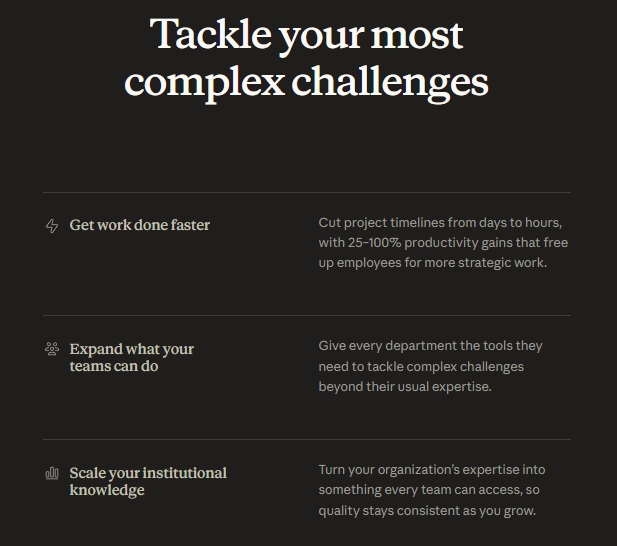
These powerful ai models transform your coding experience, making you more productive and precise.
- Intelligent Code Generation: Create functions, classes, or entire scripts from natural language descriptions.
- Context-Aware Suggestions: Receive relevant code snippets and API calls based on your current project context.
- Bug Detection and Fixing: Identify potential errors and suggest fixes before they become major issues.
- Code Optimization: Enhance performance and readability of existing codebases.
- Multi-language Support: Seamlessly work across various programming languages.
- Documentation Generation: Automatically create clear and concise documentation for your code.
Code Completion and Refactoring
Claude Code Models dramatically enhance two critical development activities: code completion and refactoring. When it comes to code completion, these advanced claude models offer intelligent suggestions far beyond simple keyword matching. They analyze your project’s context, imported libraries, and variable scope to predict the most likely and relevant code snippet you need next. This significantly reduces typing time and minimizes syntax errors.
This significantly reduces typing time and minimizes syntax errors.
For refactoring, Claude Code Models prove invaluable. They can analyze existing code for potential improvements in readability, efficiency, or adherence to best practices. Instead of manually restructuring complex functions or renaming variables across multiple files, Claude can suggest and even implement changes. This streamlines the process of cleaning up legacy code or improving the design of new features, ensuring your codebase remains robust and maintainable. These powerful ai models truly make your development process smoother and your code stronger.
How Claude Enhances Code Quality and Efficiency
Claude Code Models elevate both the quality and efficiency of your software development. By acting as an intelligent co-pilot, these advanced claude models significantly reduce the time spent on repetitive tasks and bug hunting. Imagine generating boilerplate code or implementing standard algorithms in seconds, freeing you to focus on complex logic and innovative features. This directly translates to faster development cycles.
Imagine generating boilerplate code or implementing standard algorithms in seconds, freeing you to focus on complex logic and innovative features. This directly translates to faster development cycles.
Moreover, Claude contributes to higher code quality by:
- Suggesting Best Practices: Guiding you towards more robust and maintainable code patterns.
- Identifying Anti-Patterns: Pinpointing potential design flaws or inefficient approaches early on.
- Ensuring Consistency: Helping maintain a uniform coding style across your team.
- Automating Testing Snippets: Generating basic unit tests to improve code coverage.
Leveraging these sophisticated ai models means fewer bugs, cleaner code, and ultimately, a more efficient and rewarding development experience.
Practical Applications of Claude Code Models
The utility of Claude Code Models extends far beyond simple code generation. These versatile ai models empower developers across a spectrum of real-world scenarios, making complex tasks more approachable and routine tasks automated. Discover how you can put them to work:
- Automated API Integration: Quickly generate code for interacting with third-party APIs based on their documentation.
- Scripting and Automation: Create powerful scripts for system administration, data processing, or deployment pipelines.
- Data Transformation: Write complex data manipulation routines for cleaning, formatting, and migrating datasets.
- Prototyping New Features: Rapidly build proof-of-concept code to test ideas and validate designs without extensive manual coding.
- Personalized Learning Tools: Develop interactive coding exercises or provide instant feedback to students.
These applications highlight how language models like Claude are becoming indispensable tools for practical software solutions.
Integrating Claude into Your Development Workflow
Seamlessly weave Claude Code Models into your existing development practices for maximum impact. Integrating these powerful claude models doesn’t mean overhauling your entire setup; it means enhancing it. Many developers incorporate Claude through plugins for popular Integrated Development Environments (IDEs), offering real-time assistance directly within their coding interface. Alternatively, you can interact with Claude via dedicated APIs, allowing you to build custom tools or automated pipelines that leverage its code-generation capabilities.
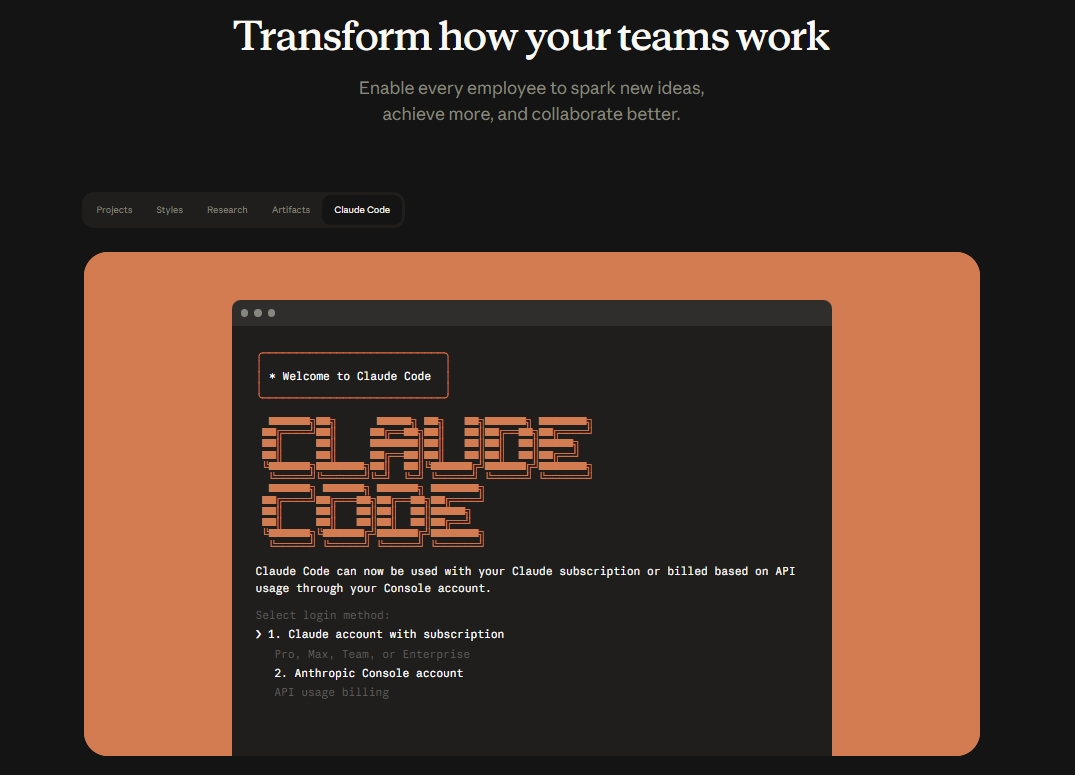
Consider:
- IDE Extensions: Get instant code suggestions, refactoring help, and bug fixes as you type.
- Version Control Systems: Use Claude to generate commit messages or analyze code differences.
- CI/CD Pipelines: Automate code reviews or generate initial test cases before deployment.
- Internal Tooling: Build custom scripts that tap into Claude’s intelligence for specialized tasks.
This flexible approach ensures these intelligent ai models become a natural extension of your coding environment.
Use Cases: From Prototyping to Production with Claude
Claude Code Models offer value at every stage of the software development lifecycle, transforming how teams move from initial concepts to polished products. These versatile claude models aren’t just for early-stage ideation; they provide tangible benefits throughout the entire journey.
Prototyping:
- Rapidly generate initial code structures for new features or applications.
- Quickly experiment with different architectural approaches.
- Create mock-up data models and basic UI components in minutes.
Development:
- Assist with complex algorithm implementation.
- Generate unit tests for new and existing code.
- Automate repetitive coding tasks, like CRUD operations.
Testing & QA:
- Create synthetic test data.
- Generate integration tests or end-to-end test scripts.
- Help identify edge cases and potential vulnerabilities.
Deployment & Maintenance:
- Generate deployment scripts or infrastructure-as-code snippets.
- Assist in debugging production issues by suggesting potential fixes.
- Update legacy codebases with modern syntax or refactor for performance.
Leveraging these ai models truly streamlines your entire process.
Benchmarking Claude’s Performance in Coding Tasks
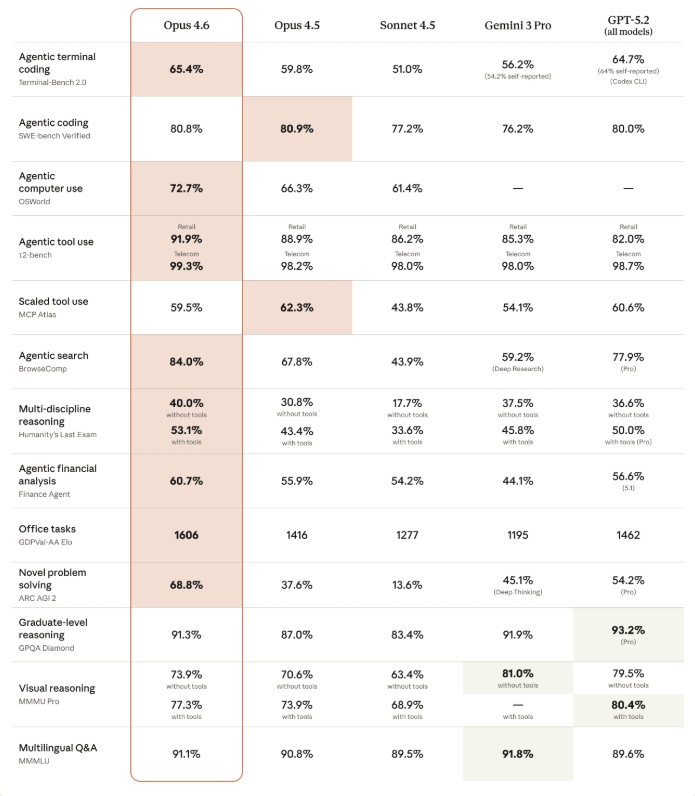
Evaluating the true power of Claude Code Models involves rigorous benchmarking against a variety of coding challenges. These sophisticated ai models are put through their paces on metrics that truly matter to developers. We assess their ability to generate functionally correct code, optimize for performance, and adhere to specific coding styles and requirements. Benchmarks often include:
- Code Generation Accuracy: How often does Claude produce correct, executable code from a given prompt?
- Efficiency of Generated Code: Does the output perform well, consuming minimal resources?
- Complexity Handling: Can Claude tackle intricate algorithms, data structures, and multi-file projects?
- Bug Fixing Efficacy: How well does it identify and resolve errors in existing code?
- Adherence to Constraints: Can it generate code conforming to specific language versions, libraries, or architectural patterns?
This detailed evaluation ensures language models like Claude deliver on their promise, providing reliable and high-quality assistance for your development needs.
Comparing Claude Code Models with Other AI Assistants
When you look at the landscape of AI-powered coding, Claude Code Models stand out for their nuanced understanding and collaborative approach. While many ai models offer code suggestions, Claude’s strength lies in its ability to engage in more complex reasoning and context retention. Other assistants might excel at simple completions, but Claude’s deeper integration with semantic understanding allows for:
- Superior Contextual Awareness: It understands the broader project, not just the line you are typing.
- More Creative Problem Solving: It can propose novel solutions or alternative approaches to coding challenges.
- Ethical and Safety Focus: Designed with a strong emphasis on responsible AI, reducing the generation of insecure or biased code.
- Advanced Refactoring Capabilities: It suggests more comprehensive structural improvements rather than superficial changes.
This distinction positions Claude Code Models as a leading choice for developers seeking an intelligent partner that truly comprehends the intricacies of their work, moving beyond generic llm models.
The Future of AI-Powered Coding and Claude’s Role
The trajectory of AI in software development points towards increasingly intelligent and autonomous systems, and Claude Code Models are at the forefront of this evolution. We envision a future where these advanced ai models become indispensable collaborators, not just tools. They will fluidly interpret complex requirements, generate entire application modules, and even adapt to changing project needs in real time. Claude’s ongoing advancements in contextual understanding and ethical considerations position it as a critical player in this future.
Anticipate:
- Hyper-Personalized Development Environments: AI adapting to your unique coding style and preferences.
- Automated End-to-End Development: AI overseeing more significant portions of a project from design to deployment.
- Enhanced Human-AI Collaboration: Developers focusing on high-level architecture and creativity, while AI handles intricate implementation details.
Language models like Claude are paving the way for a revolutionary era where software creation becomes faster, smarter, and more accessible than ever before.
Best Practices for Leveraging Claude in Development
To truly maximize the power of Claude Code Models, adopt smart strategies in your development process. These powerful claude models perform best when you guide them effectively. Don’t just prompt and hope; interact strategically.
- Be Specific with Prompts: Clearly define the function, purpose, and desired output for optimal results. Ambiguous prompts lead to ambiguous code.
- Provide Context: Share relevant snippets of your existing codebase, variable definitions, or API documentation. The more context Claude has, the better its suggestions.
- Iterate and Refine: Treat Claude’s output as a starting point. Review, test, and refine the generated code. Use follow-up prompts to make adjustments.
- Break Down Complex Tasks: For large features, divide them into smaller, manageable sub-tasks. Ask Claude to generate code for each component individually.
- Understand the Limitations: While brilliant, these ai models are not infallible. Always verify the correctness, security, and efficiency of generated code.
By following these best practices, you transform Claude Code Models from a simple assistant into an invaluable, highly productive coding partner.
Addressing Challenges with AI Code Generation
No ai models are perfect, and being aware of common hurdles helps you use them more effectively.
While Claude Code Models offer immense benefits, navigating the landscape of AI code generation also means understanding and mitigating potential challenges. Developers sometimes encounter:
- Contextual Misinterpretations: The AI might occasionally misinterpret complex project context, leading to irrelevant or incorrect code. Always review.
- Suboptimal Solutions: Generated code might be functional but not always the most efficient, elegant, or secure approach. Human oversight is crucial.
- Dependency on Prompt Quality: Poorly worded or vague prompts often result in equally vague or unhelpful code. Clarity is key.
- Over-reliance Tendencies: It’s easy to become too dependent, potentially dulling your own problem-solving skills. Maintain your critical thinking.
- Integration Headaches: Connecting AI outputs seamlessly into existing, diverse codebases can sometimes require manual adjustment.
By actively addressing these points, you empower yourself to leverage language models like Claude intelligently and responsibly.
Security and Ethical Considerations of Claude Code Models
Deploying powerful tools like Claude Code Models necessitates a careful approach to security and ethics. As these llm models become more integrated into our development processes, we must actively address the implications. Security is paramount; never assume generated code is inherently secure. Always perform thorough security audits, static analysis, and penetration testing on AI-generated code, just as you would with human-written code. Vulnerabilities can arise from the data Claude was trained on or from misinterpretations of secure coding practices.
Ethical considerations are equally critical:
- Bias in Code: AI models can inadvertently perpetuate biases present in their training data. Review code for fairness and inclusivity.
- Intellectual Property: Understand the licensing and ownership implications of code generated by ai models. Know your rights and responsibilities.
- Transparency: Strive for transparency in how AI is used in your development, especially for regulated industries.
- Data Privacy: Be mindful of any sensitive data shared with the AI, ensuring compliance with privacy regulations.
Responsible adoption of Claude Code Models requires vigilance and a commitment to these principles.
Getting Started with Claude for Coding
Embarking on your journey with Claude Code Models is simpler than you might think. You don’t need to be an AI expert to integrate these powerful claude models into your daily coding tasks. The initial steps focus on accessing the platform and understanding its basic interaction model. Whether you are aiming to generate a simple function or prototype a complex application, the entry point is user-friendly. Prepare to experience a new level of coding assistance that can dramatically speed up your development process. Diving in now means unlocking immediate productivity gains.
Setup and Initial Prompts
Getting started with Claude Code Models is straightforward. Your initial setup typically involves accessing the Claude platform or an integrated development environment (IDE) plugin that supports these advanced claude models. Once connected, the magic begins with your first prompt.
Setup Steps:
- Access Claude: Sign up for an account on the official platform or install the relevant IDE extension.
- Review Documentation: Familiarize yourself with the interface and available commands.
- Basic Configuration: Adjust any settings, such as preferred programming language or coding style, if applicable.
Crafting Initial Prompts:
Your prompt is your instruction to the AI. Be clear and concise. For example:
“Write a Python function to reverse a string.”
“Generate a JavaScript array method that filters objects by a specific property.”
“Create a SQL query to select all users older than 30 from the ‘users’ table.”
These simple, direct prompts help Claude Code Models understand your intent and provide accurate, relevant code. Experiment with different requests to see the breadth of what these ai models can achieve.
Expert Tips for Maximizing Claude’s Potential
To truly unlock the advanced capabilities of Claude Code Models, move beyond basic prompting. Seasoned developers know that nuanced interaction yields superior results. These powerful claude models respond best to refined strategies.
- Use Chain-of-Thought Prompting: Guide Claude through complex problems step-by-step. Ask it to “think aloud” or outline its plan before generating code.
- Leverage Few-Shot Examples: Provide a couple of input-output examples to illustrate the desired behavior, helping Claude grasp intricate patterns.
- Specify Constraints Explicitly: Detail performance requirements, library dependencies, error handling, or specific architectural patterns you need.
- Request Alternatives: If the initial output isn’t perfect, ask Claude for “another way to implement this” or “a more performant solution.”
- Incorporate Feedback Loops: Explain why a generated solution isn’t quite right. For instance, “This works, but it needs to be more modular.”
- Ask for Explanations: Have Claude explain its generated code or the rationale behind its choices. This deepens your understanding and helps you learn.
By employing these expert tips, you transform Claude Code Models from a simple assistant into an indispensable, intelligent partner in your development journey. Master these techniques and truly harness the power of these advanced ai models.
Frequently Asked Questions
What are Claude Code Models?
Claude Code Models are advanced AI systems specifically designed to understand, generate, and manipulate source code across various programming languages, acting as highly capable coding assistants.
How do Claude Code Models enhance development efficiency?
They boost efficiency by intelligently generating code, providing context-aware suggestions, detecting and fixing bugs, optimizing code, and automating documentation, significantly reducing time spent on repetitive tasks.
Can Claude Code Models assist with code refactoring?
Yes, Claude Code Models are invaluable for refactoring, analyzing existing code for improvements in readability, efficiency, or adherence to best practices, and can suggest or even implement changes.
What are some practical applications of Claude Code Models?
Practical applications include automated API integration, scripting and automation, complex data transformation, rapid prototyping of new features, and developing personalized learning tools.
What are the key ethical considerations when using Claude Code Models?
Key ethical considerations include addressing potential biases in generated code, understanding intellectual property rights, striving for transparency in AI usage, and ensuring data privacy compliance.