


- Understanding the Claude Code API and Its Core Capabilities
- Key Features and Benefits for Code-Related Tasks
- Getting Started: Initial Setup and API Access
- Authentication and Authorization for Secure Claude Interactions
- Exploring the Main API Endpoints for Code Generation and Analysis
- Designing Effective Prompts for Optimal Code Results
- Handling API Responses and Extracting Valuable Code Insights
- Best Practices for Security and Data Privacy with the Claude Code API
- Practical Use Cases for Integrating Claude into Your Workflow
- Automating Code Generation and Completion Tasks
- Enhancing Code Review and Refactoring Processes
- Generating Explanations and Documentation for Complex Codebases
- Performance Optimization and Cost Management Strategies
- Troubleshooting Common Issues and Error Handling
- Scaling Your Applications with the Claude Code API
- Future Developments and the Evolving Landscape of AI Code Tools
- Comparing Claude Code API to Other Leading AI Development Platforms
- Developer Resources and Community Support for Claude Users
- Frequently Asked Questions
Understanding the Claude Code API and Its Core Capabilities
The Claude Code API offers developers robust access to sophisticated AI models, fine-tuned for understanding, generating, and analyzing code. Unlike general-purpose AI, this specialized API focuses directly on the intricacies of programming languages and development workflows. Its core capabilities span a wide range of functions, from understanding complex logic to suggesting efficient improvements. Developers gain a powerful new dimension for their developer tools, integrating intelligence seamlessly into their existing systems. This isn’t just an API; it’s a profound enhancement to your entire coding toolkit, unlocking new possibilities with intuitive API access.
Key Features and Benefits for Code-Related Tasks
Unlock immense potential for all your code-related tasks with the Claude API. This powerful interface brings numerous advantages, streamlining workflows and boosting productivity. You’ll find features designed to handle everything from minor syntax checks to generating entire function blocks. The real benefit lies in its ability to understand context, providing intelligent suggestions that genuinely accelerate your work. Experience faster iteration cycles, reduced debugging time, and more robust code output. It’s an essential piece of integration for any modern development environment seeking a competitive edge.
Experience faster iteration cycles, reduced debugging time, and more robust code output.
Getting Started: Initial Setup and API Access
Embarking on your journey with the Claude Code API is straightforward. The initial setup process quickly grants you essential API access, letting you begin experimenting without delay. You’ll typically register for an account, generate an API key, and then configure your development environment to make requests. We’ve designed this process to be as seamless as possible, ensuring developers can quickly integrate the powerful Claude API into their existing projects. Your first successful interaction is just a few steps away, opening up a world of intelligent coding possibilities.
Authentication and Authorization for Secure Claude Interactions
Ensuring the security of your interactions with the Claude Code API remains paramount. Authentication and authorization protocols protect your data and prevent unauthorized API access. We employ industry-standard methods, typically involving API keys or OAuth tokens, to verify your identity and grant appropriate permissions. These robust security measures mean your intelligent applications can communicate with Claude safely and privately. Always safeguard your credentials, and implement best practices to maintain a secure environment for all your Claude interactions.
Always safeguard your credentials, and implement best practices to maintain a secure environment for all your Claude interactions.
Exploring the Main API Endpoints for Code Generation and Analysis
The Claude Code API offers a well-structured set of endpoints, each designed for specific code-centric operations. You’ll find dedicated pathways for advanced code generation, allowing you to synthesize new functions, snippets, or even entire class structures. Other endpoints focus on in-depth code analysis, providing insights into potential bugs, performance bottlenecks, or style inconsistencies. Understanding these core endpoints empowers you to leverage the full spectrum of Claude’s capabilities, tailoring your requests to achieve precise results for any coding challenge.
Designing Effective Prompts for Optimal Code Results
The quality of your output from the Claude API largely depends on the effectiveness of your prompts. Crafting clear, concise, and context-rich prompts is an art form. Specify the programming language, desired functionality, constraints, and any relevant existing code. Think of it as providing detailed instructions to an intelligent coding assistant. Well-designed prompts lead to remarkably accurate and relevant code snippets, functions, or analyses, ensuring you achieve optimal code results every time. Mastering this skill transforms your interaction with these advanced developer tools.
Handling API Responses and Extracting Valuable Code Insights
Once you send a request to the Claude Code API, you’ll receive a structured JSON response containing the AI’s output. Effectively handling these API responses is crucial for integrating Claude into your applications. Parse the data carefully, whether it’s generated code, an analysis report, or a suggested refactor. The real power comes from extracting valuable code insights – not just raw text. Develop robust error handling and parsing logic to reliably interpret Claude’s intelligence, making its output actionable within your existing systems. This seamless integration maximizes the utility of every interaction.
Best Practices for Security and Data Privacy with the Claude Code API
Protecting your projects and user data is non-negotiable when working with any AI service. When utilizing the Claude Code API, prioritize stringent security and data privacy measures. Always employ secure communication protocols like HTTPS for all API calls. Avoid transmitting sensitive or personally identifiable information within your prompts unless absolutely necessary and properly anonymized. Regularly review access logs and rotate API keys. Adhering to these best practices safeguards your intellectual property and ensures compliant, responsible use of your API access, building trust in your applications.
Practical Use Cases for Integrating Claude into Your Workflow
Integrating Claude into your daily development workflow unlocks unprecedented efficiencies and innovative solutions. Imagine an AI partner embedded directly into your developer tools, ready to assist with a myriad of tasks. From boosting individual programmer productivity to streamlining team collaboration, the practical applications are vast. We’re talking about tangible improvements that save time, reduce errors, and foster creativity. Discover how the Claude API transforms routine tasks into opportunities for intelligent automation.
Automating Code Generation and Completion Tasks
Accelerate your development cycle by letting the Claude Code API handle repetitive coding. You can generate boilerplate code, create function stubs, or complete code snippets with remarkable accuracy. This automation frees developers from mundane typing, allowing them to focus on higher-level architectural decisions and complex problem-solving. Imagine the time saved when your AI assistant instantly provides the framework for a new module or finishes a tricky loop, boosting overall project velocity.
This automation frees developers from mundane typing, allowing them to focus on higher-level architectural decisions and complex problem-solving.
Enhancing Code Review and Refactoring Processes
Elevate the quality of your codebase with intelligent assistance in code reviews and refactoring. The Claude API can analyze existing code, identify potential vulnerabilities, suggest performance improvements, or propose cleaner architectural patterns. This offers an objective second opinion, helping teams catch issues earlier and maintain high standards. It transforms a often-laborious process into a more efficient, insightful collaboration, leading to more robust and maintainable software.
Generating Explanations and Documentation for Complex Codebases
Understanding and documenting intricate code is a significant challenge. The Claude Code API excels at generating clear, concise explanations for complex functions, classes, or entire modules. It can automatically produce documentation that clarifies purpose, parameters, and return values, significantly reducing the burden on developers. This capability ensures that new team members onboard faster and that legacy code remains comprehensible, improving overall project transparency and knowledge sharing through seamless integration.
Performance Optimization and Cost Management Strategies
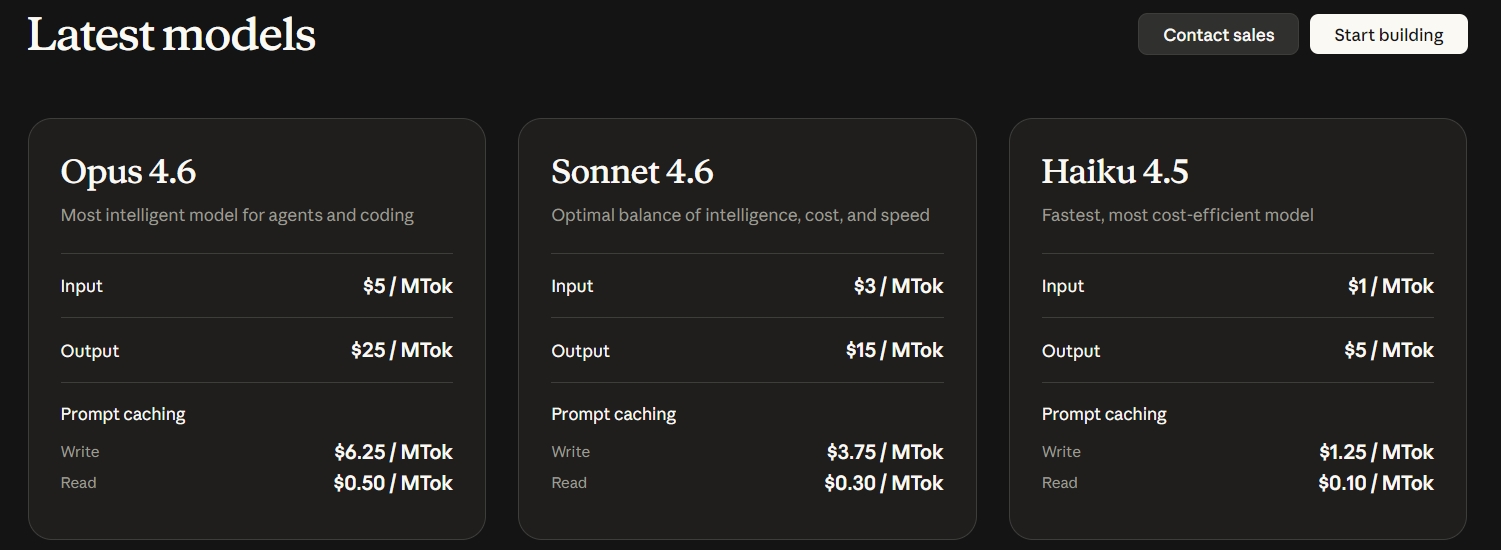
Maximizing the efficiency of your Claude Code API usage involves smart performance optimization and diligent cost management. Design your requests to be as specific as possible, sending only necessary context to reduce processing time and resource consumption. Cache frequent or static responses where appropriate to minimize redundant API calls. Monitor your usage patterns regularly through your dashboard to identify potential inefficiencies. By strategically structuring your interactions, you ensure your API access remains both powerful and budget-friendly, delivering optimal value for your investment.
Troubleshooting Common Issues and Error Handling
Even the most robust developer tools encounter occasional hiccups. Effective troubleshooting and robust error handling are vital when working with the Claude API. Familiarize yourself with common HTTP status codes and API-specific error messages. Implement graceful fallback mechanisms in your applications to handle failed requests or unexpected responses. Leverage detailed logging to pinpoint issues quickly, whether it’s an authentication problem, an invalid request parameter, or an unexpected model output. Proactive error management ensures your applications remain resilient and reliable.
Scaling Your Applications with the Claude Code API
Building high-growth applications requires a strategy for scalability, and the Claude Code API supports your expansion. Design your system with concurrency in mind, managing multiple API requests efficiently. Utilize asynchronous processing where appropriate to prevent blocking operations. As your user base grows, you can adjust your API access plans to accommodate increased throughput. The infrastructure supporting Claude is built to handle significant loads, ensuring your intelligent integration can keep pace with your application’s success and evolving demands.

Future Developments and the Evolving Landscape of AI Code Tools
The realm of AI-powered developer tools is in constant flux, and the Claude Code API stands at the forefront of this evolution. Expect continuous advancements in model capabilities, including improved understanding of nuanced coding styles, support for an even broader array of languages, and more sophisticated reasoning abilities. We are committed to pushing the boundaries of what’s possible, exploring new ways AI can empower developers. Stay tuned for exciting future developments that will further streamline workflows and unlock unprecedented levels of coding efficiency and creativity.
Comparing Claude Code API to Other Leading AI Development Platforms
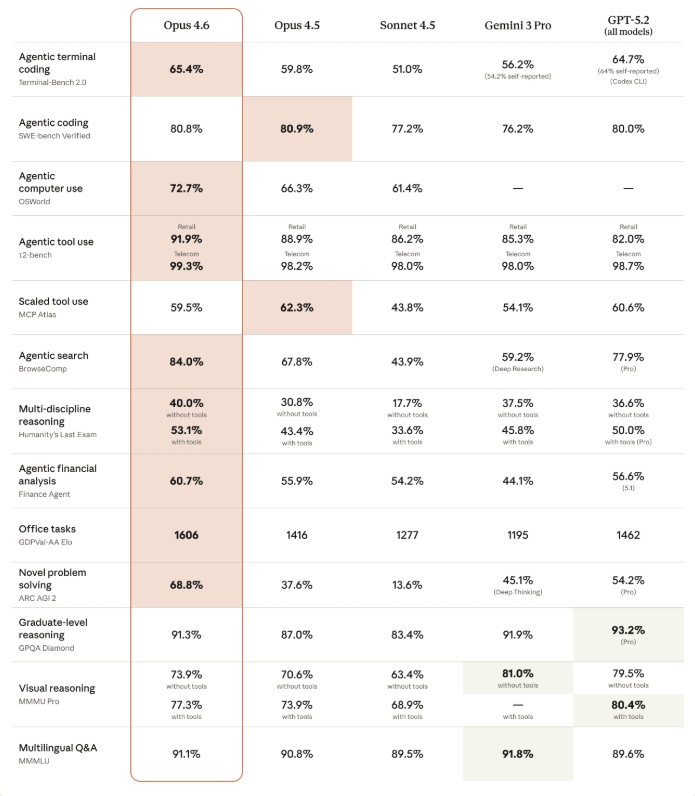
When evaluating AI development platforms, the Claude Code API stands out with its specialized focus on code-centric tasks. While other platforms offer broad AI capabilities, Claude delivers a refined understanding of programming languages, logical structures, and development best practices. Its design prioritizes developer productivity and code quality, making it an invaluable addition to your suite of developer tools. We encourage you to experience its precision and contextual awareness, which often translates into more relevant and accurate outputs for your specific coding needs, setting a new benchmark for AI-assisted coding.
Developer Resources and Community Support for Claude Users
You’re not alone on your journey with the Claude Code API. We provide extensive developer resources to ensure your success. Access comprehensive documentation, including API references, quickstart guides, and practical tutorials. Dive into example projects and code snippets to jumpstart your development. Beyond official resources, a vibrant community of Claude users offers peer support, shares insights, and discusses innovative use cases. Engage with fellow developers, ask questions, and contribute your own experiences to enhance the collective knowledge and accelerate your mastery of the Claude API.
Frequently Asked Questions
What is the Claude Code API primarily designed for?
The Claude Code API is specifically engineered for coding tasks, offering robust access to sophisticated AI models fine-tuned for understanding, generating, and analyzing code.
What are some key benefits developers gain from using the Claude API?
Developers benefit from faster iteration cycles, reduced debugging time, more robust code output, and intelligent suggestions that accelerate their work, enhancing productivity and streamlining workflows.
How does one get started with the Claude Code API?
Getting started involves registering for an account, generating an API key, and then configuring your development environment to make requests, ensuring quick integration into existing projects.
What security measures are employed for Claude Code API interactions?
Industry-standard authentication and authorization protocols, typically involving API keys or OAuth tokens, are used to secure interactions, verify identity, and grant appropriate permissions, protecting data and preventing unauthorized access.
Can the Claude Code API help with generating documentation?
Yes, the Claude Code API excels at generating clear, concise explanations for complex functions, classes, or entire modules, automatically producing documentation that clarifies purpose, parameters, and return values.