


- Understanding Claude’s Core Capabilities for iOS
- How Claude AI Assists in Code Generation
- Why Choose Claude for iOS Development?
- Benefits for Developers and Project Timelines
- Setting Up Your Environment for Claude Code
- Prerequisites and Installation Steps
- Integrating Claude with Xcode Projects
- Leveraging AI for Efficient Code Generation
- Debugging iOS Applications with Claude
- Best Practices for Claude Code Implementation
- Optimizing Performance in Claude-Generated iOS Apps
- Security Considerations for Claude Code IOS
- Deploying Your Claude-Powered iOS Application
- Future Trends in AI-Assisted Mobile Development
- Community Resources and Support for Claude Users
- Common Challenges and Solutions with Claude Code
- Troubleshooting Integration Issues
- Exploring Advanced Claude Features for iOS
- Customizing Code Styles with Claude
- The Impact of Claude on Developer Workflows
- Boosting Productivity with Claude Code IOS
- Frequently Asked Questions
Understanding Claude’s Core Capabilities for iOS
Claude for iOS is not just a fancy autocomplete; it’s a comprehensive AI assistant designed to deeply understand the nuances of mobile AI development. Its core capabilities center around advanced contextual understanding and intricate problem-solving within the Apple framework. Think of it as an expert pair programmer ready to contribute meaningfully.
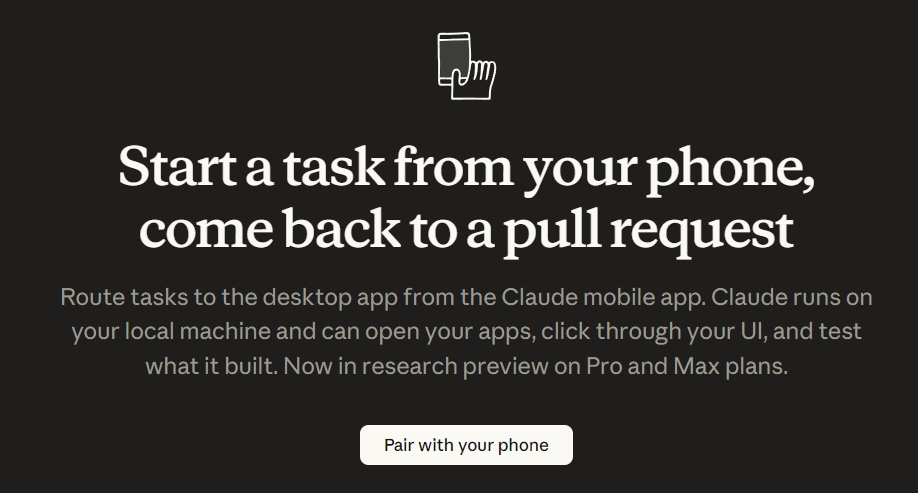
Here’s what Claude brings to the table:
- Contextual Comprehension: Claude grasps the intent behind your comments, existing code, and project structure, providing highly relevant suggestions.
- Framework Expertise: It understands UIKit, SwiftUI, Core Data, and other essential iOS frameworks, generating code that adheres to Apple’s best practices.
- Logical Reasoning: Claude can analyze complex requirements and break them down into smaller, actionable coding steps, offering solutions that make sense.
- Pattern Recognition: It identifies common coding patterns and anti-patterns, guiding you towards robust and maintainable solutions for your iPhone coding.
This deep understanding allows Claude for iPhone to be much more than just a code generator; it’s a true intellectual partner in your development journey.
How Claude AI Assists in Code Generation
Claude AI excels at transforming your high-level ideas or detailed specifications into functional code. Its assistance in code generation is precise, context-aware, and incredibly efficient. You don’t just get snippets; you get intelligently crafted solutions tailored to your project.
The process works like this:
- Prompt Interpretation: You provide Claude with a natural language prompt – describing a UI component, a data fetching mechanism, or a complex algorithm.
- Contextual Analysis: Claude analyzes your prompt alongside the surrounding code, file structure, and known iOS conventions.
- Intelligent Synthesis: Based on its vast knowledge and understanding, Claude synthesizes the necessary iPhone coding, importing frameworks, declaring variables, and implementing logic.
- Output Delivery: It presents the generated code, often with explanations, allowing you to review and integrate it into your project.
This targeted approach ensures that the generated code is not only functional but also aligns with the existing codebase and architectural patterns you’ve established. It’s truly a leap forward for iPhone coding productivity.
Why Choose Claude for iOS Development?
Opting for Claude for iOS development elevates your entire process. It’s not just about speed; it’s about quality, consistency, and tackling complexity with unprecedented ease. Developers worldwide are discovering a competitive edge by integrating Claude for iPhone into their workflows.
Here are compelling reasons to make Claude your go-to AI assistant:
| Aspect | Claude’s Advantage |
|---|---|
| Innovation Velocity | Accelerate feature development, bringing new ideas to life faster. |
| Code Quality | Generate clean, idiomatic iOS code that adheres to best practices. |
| Consistency | Maintain uniform coding standards across large projects and teams. |
| Problem Solving | Receive intelligent suggestions for complex architectural decisions and tricky bugs. |
| Learning Curve | Assist new developers in grasping iOS frameworks quicker and more effectively. |
Embrace Claude iOS and unlock a new level of efficiency and creativity in your projects.
Benefits for Developers and Project Timelines
The practical advantages of Claude Code IOS for both individual developers and overall project timelines are immense. This AI isn’t just a helper; it’s a force multiplier, streamlining numerous aspects of the development cycle.
Developers experience a significant uplift in several key areas:
Claude quickly generates repetitive code, freeing developers to focus on unique logic.
- Accelerated Feature Implementation: From UI elements to network layers, Claude’s assistance drastically cuts down implementation time.
- Fewer Errors: AI-generated code often reduces human-introduced syntax and logical errors, leading to less time spent debugging.
- Enhanced Learning: Junior developers can learn faster by observing Claude’s suggested solutions and best practices.
- Improved Code Reviews: Consistent, high-quality generated code simplifies the review process for teams.
For project timelines, this translates directly into faster delivery cycles, fewer unforeseen delays, and the ability to allocate resources more strategically. Claude for iPhone truly transforms how teams meet deadlines and exceed expectations.
Setting Up Your Environment for Claude Code
To fully harness the power of Claude Code, establishing a well-configured development environment is crucial. It’s about creating a seamless bridge between your existing toolset and Claude’s intelligent capabilities. A proper setup ensures smooth operation and maximum productivity, making your iPhone coding experience truly intuitive.
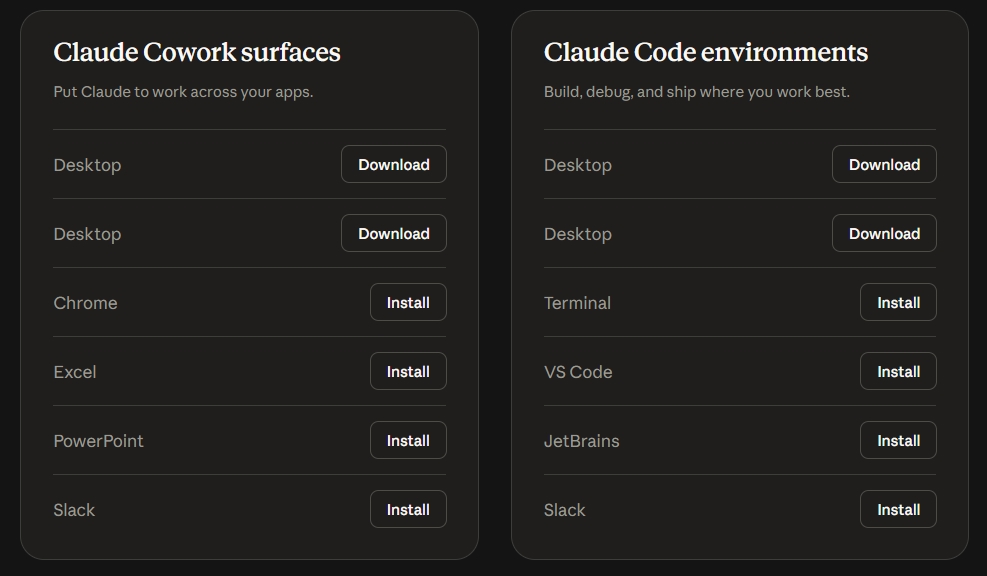
The goal is to integrate Claude so it feels like an organic extension of your workflow, not an external application. This often involves ensuring your primary development IDE, usually Xcode for iOS projects, is ready to interact with Claude’s services. Consider factors like network access, necessary SDKs, and potentially API key management to ensure a secure and efficient connection.
Prerequisites and Installation Steps
Getting started with Claude Code on your Apple device is straightforward, though a few key prerequisites ensure a smooth installation. Having these in place makes integrating Claude for iPhone into your daily workflow a breeze.
Before you begin, ensure you have:
- A Compatible Operating System: Ensure your macOS version meets the minimum requirements for both Xcode and Claude.
- Xcode Installed: The latest stable version of Xcode is essential for any iOS development, and Claude will integrate directly with it.
- Internet Connection: Claude’s AI capabilities typically require an active internet connection for processing and updates.
- Developer Account (Optional but Recommended): For deploying and testing on physical devices, an Apple Developer account is beneficial.
The general installation steps usually involve:
- Downloading the Claude client or plugin specifically designed for iOS development.
- Running the installer or following the instructions to integrate it with your Xcode environment.
- Configuring any necessary API keys or authentication tokens within the Claude interface or Xcode preferences.
- Performing an initial setup check to ensure Claude can communicate effectively with your project files.
Following these steps will quickly get your Claude for iPhone environment up and running, ready to enhance your iPhone coding endeavors.
Integrating Claude with Xcode Projects
Seamlessly integrating Claude with Xcode Projects transforms your development environment into an intelligent powerhouse. It’s not about running Claude separately; it’s about embedding its intelligence directly into the tools you already use daily for iOS development. This integration ensures that Claude iOS capabilities are always at your fingertips, providing real-time assistance.
The key to successful integration lies in understanding how Claude can interact with Xcode’s various components. This might involve:
- Editor Extensions: Claude can provide inline code suggestions, refactoring ideas, and error explanations directly within Xcode’s text editor.
- Project Analysis: It can analyze your entire project structure, understanding dependencies and suggesting optimal ways to implement new features or modify existing ones.
- Build Process Hooks: In some advanced configurations, Claude might even offer insights during the build process, identifying potential issues before compilation completes.
By making Claude for iPhone a native part of your Xcode experience, you minimize context switching and maximize your focus on crafting exceptional applications.
Leveraging AI for Efficient Code Generation
Beyond simply generating code, truly leveraging AI for efficient code generation involves smart strategies that amplify your productivity. This isn’t just about asking Claude to write something; it’s about guiding mobile AI to produce exactly what you need, quickly and reliably, enhancing your iPhone coding prowess.
To maximize efficiency with Claude Code IOS:
- Be Specific with Prompts: Clearly define the function, class, or UI component you need. Provide context, expected inputs, and desired outputs.
- Iterate and Refine: Treat initial generations as starting points. Provide feedback to Claude to refine the code, addressing edge cases or style preferences.
- Break Down Complex Tasks: For large features, break them into smaller, manageable sub-tasks. Ask Claude to generate code for each part, then assemble them.
- Automate Repetitive Tasks: Identify common boilerplate code, data models, or UI layouts that you frequently write. Train or prompt Claude to generate these with minimal input.
- Utilize Code Snippets: Save and reuse effective Claude-generated snippets for future projects or similar tasks, building your own AI-powered library.
This strategic approach ensures that Claude Code IOS isn’t just a generator, but a powerful tool for accelerating your entire iPhone coding workflow.
Debugging iOS Applications with Claude
Debugging iOS applications can often be a time-consuming maze, but with Claude, you gain an intelligent partner in pinpointing and resolving issues. Its analytical capabilities go beyond simple syntax checks, diving into logical flaws and runtime anomalies that often stump developers. Claude iOS truly transforms the debugging experience.
Here’s how Claude assists in untangling complex bugs:
- Error Interpretation: Feed Claude crash logs, error messages, or debugger output. It can often provide clearer explanations of what went wrong and why.
- Root Cause Analysis: Based on the symptoms, Claude can suggest potential areas in your code where the bug might originate, guiding your investigation.
- Solution Proposals: Beyond identifying issues, Claude can propose specific code changes or refactors to fix the problem, often providing multiple approaches.
- Test Case Generation: To help reproduce or verify fixes, Claude can suggest targeted test cases that expose the bug’s conditions.
By leveraging Claude for iPhone during debugging, you reduce guesswork, accelerate resolution times, and ultimately produce more stable, reliable applications.
Best Practices for Claude Code Implementation
Implementing Claude Code effectively requires more than just knowing how to generate code; it demands a strategic approach to ensure quality, maintainability, and optimal performance. Adopting these best practices for Claude Code implementation will maximize the benefits of Claude iOS in your projects.
- Verify All Generated Code: Always review Claude’s output thoroughly. While intelligent, it’s an assistant, not an infallible oracle. Understand what it produces.
- Contextual Prompting: Provide Claude with ample context. The more information it has about your project, existing code, and desired outcome, the better its suggestions will be.
- Iterative Generation: Instead of asking for a huge block of code at once, break down complex requirements into smaller, more manageable prompts. Build features incrementally.
- Adhere to Style Guides: If your team has a coding style guide, explicitly prompt Claude to follow it or adjust its output accordingly to maintain consistency.
- Integrate with Testing: Ensure generated code integrates seamlessly with your existing testing frameworks. Use Claude to help write unit and UI tests for its own output.
- Focus on Logic, Not Just Syntax: Use Claude to tackle complex logic and algorithms. Let it handle the scaffolding, but always confirm the core logic meets your requirements.
By following these guidelines, you’ll ensure that Claude Code IOS becomes an indispensable, reliable part of your development toolkit.
Optimizing Performance in Claude-Generated iOS Apps
While Claude-generated iOS apps benefit from speed of development, ensuring their optimal performance is still a crucial step. Just as with manually written code, it’s vital to apply strategies that guarantee your Claude for iPhone projects run swiftly, efficiently, and provide an excellent user experience. The AI assists, but the developer optimizes.
Consider these approaches when refining performance:
- Profiling Tools: Utilize Xcode’s Instruments to identify CPU, memory, and energy bottlenecks in your Claude-generated code.
- Algorithm Review: Even if Claude suggests an algorithm, verify its time and space complexity. Ask Claude for alternative, more performant algorithms if needed.
- Asset Optimization: Ensure all images, videos, and other assets used in the app are correctly sized and compressed for mobile, regardless of how the code was generated.
- Lazy Loading & Caching: Implement strategies for loading data and UI elements only when needed, and cache frequently accessed resources to reduce redundant computations.
- UI Thread Management: Confirm that computationally intensive tasks are performed off the main UI thread, preventing jank and ensuring a smooth user interface.
- Memory Management: Review object lifecycles and reference cycles in generated code to prevent memory leaks and excessive memory consumption.
By diligently applying these optimization techniques, your Claude for iPhone applications will not only be quick to develop but also lightning-fast in execution.
Security Considerations for Claude Code IOS
As Claude Code IOS becomes more integral to development, understanding its security considerations is paramount. While powerful, integrating any AI into your workflow introduces new dimensions of responsibility. Ensuring the generated code is robust and doesn’t introduce vulnerabilities is critical for any mobile AI project.
Here are key security aspects to address:
Be mindful of any sensitive information you feed into Claude’s prompts. Avoid exposing confidential data or intellectual property that shouldn’t leave your secure environment.
- Code Vulnerability Scanning: Always run static analysis and vulnerability scanners on Claude-generated code. AI can sometimes generate code that misses subtle security best practices or introduces common exploits.
- Dependency Management: If Claude suggests external libraries or dependencies, verify their security posture and update them regularly.
- Authentication & Authorization: Pay close attention to how Claude implements authentication and authorization flows. Ensure they adhere to modern security standards and protect user data.
- Input Validation: Even with AI assistance, rigorous input validation remains essential. Ensure all user inputs are sanitized to prevent injection attacks and other vulnerabilities.
- Least Privilege: When interacting with APIs or system resources, ensure Claude’s generated code adheres to the principle of least privilege, requesting only necessary permissions.
By actively managing these security points, you can confidently build secure, reliable mobile AI applications with Claude Code IOS.
Deploying Your Claude-Powered iOS Application
Bringing your Claude-powered iOS application to life for users is the culmination of your development journey. The deployment process, while largely standard for iOS apps, requires careful attention to detail to ensure a smooth transition from development to the App Store. Claude for iPhone streamlines development, making the path to deployment clearer.
Before initiating the final deployment, consider these essential steps:
- Thorough Testing: Conduct comprehensive unit, integration, and UI testing. Ensure all functionalities, including those generated by Claude, perform as expected across various devices and iOS versions.
- Performance Review: Revisit profiling and optimization. Ensure your app delivers a fluid and responsive user experience under real-world conditions.
- App Store Guidelines Compliance: Review Apple’s App Store Review Guidelines. Ensure your application, its features, and its metadata adhere to all requirements.
- Provisioning Profiles & Certificates: Correctly configure your developer certificates and provisioning profiles within Xcode for signing and archiving your build.
- Metadata Preparation: Prepare compelling app icons, screenshots, and an engaging description that highlights your app’s value proposition, including its unique features.
- Archive and Upload: Use Xcode’s “Archive” function to create a release build, then upload it to App Store Connect for review.
With careful execution of these steps, your innovative Claude for iPhone application will soon be available to millions of users.
Future Trends in AI-Assisted Mobile Development
The landscape of AI-assisted mobile development is constantly evolving, with innovations like Claude Code IOS just scratching the surface. Looking ahead, we anticipate even more profound integrations of mobile AI, transforming not just how we code, but how we conceive and design applications for the Apple ecosystem. The future promises an even tighter synergy between human creativity and artificial intelligence in iPhone coding.
Key trends to watch include:
- Proactive Code Suggestion: AI moving beyond reactive generation to proactively suggest features or improvements based on user behavior patterns and market trends.
- End-to-End App Generation: The ability for AI to generate entire app prototypes from high-level descriptions, significantly accelerating initial concept validation.
- Voice and Natural Language UI Design: Developers designing entire user interfaces simply by describing them verbally or through natural language prompts.
- Self-Healing Codebases: AI systems that can monitor running applications, identify runtime errors, and autonomously suggest or even implement fixes.
- Personalized Developer Experience: AI tailoring development environments, tools, and learning paths based on individual developer preferences and skill gaps.
- Advanced AI for Performance & Security: AI not only generating code but also actively optimizing for performance and automatically scanning for complex security vulnerabilities throughout the development lifecycle.
These trends indicate a future where iPhone coding becomes dramatically more efficient, accessible, and powerful, driven by increasingly sophisticated mobile AI.
Community Resources and Support for Claude Users
Embarking on your journey with Claude Code IOS means joining a vibrant and growing community. Access to robust community resources and support for Claude users is crucial for maximizing your experience, troubleshooting issues, and discovering innovative uses for Claude iOS in your projects.
Don’t code alone! Leverage these valuable avenues:
- Official Documentation: Start with the comprehensive guides and API references provided by the Claude team. They offer detailed insights into features and functionalities.
- Online Forums & Discussion Boards: Engage with other Claude users to share knowledge, ask questions, and collaborate on solutions. These platforms are excellent for real-world scenarios.
- Tutorials & Workshops: Look for community-created tutorials, video walkthroughs, and online workshops that delve into specific aspects of Claude for iPhone development.
- Developer Meetups & Groups: Connect with local or online developer groups focused on AI-assisted iOS development or general mobile AI discussions.
- Social Media Channels: Follow official Claude accounts and relevant hashtags to stay updated on new features, tips, and community highlights.
- Feedback Channels: Provide your feedback directly to the Claude development team. Your input helps shape future enhancements and improvements for Claude iOS.
Engaging with the community enriches your experience and helps you stay at the forefront of AI-assisted mobile development.
Common Challenges and Solutions with Claude Code
While Claude Code is incredibly powerful, like any advanced tool, users may encounter common challenges. Understanding these potential hurdles and their general solutions empowers you to navigate your development journey smoothly. Proactively addressing these points ensures your Claude for iPhone experience remains productive and frustration-free.
Typical challenges can range from integration quirks to refining AI output. It’s important to remember that working with AI is often an iterative process, and knowing how to guide it effectively is key.
Here are some broad categories of challenges and how to approach them:
- AI Output Precision: Sometimes Claude’s initial generation might be too general or miss specific nuances.
- Solution: Refine your prompts, provide more context, or break down complex requests into smaller, more specific ones.
- Integration Complexity: Getting Claude to work seamlessly with existing, large-scale projects.
- Solution: Start with smaller components, ensure your environment meets all prerequisites, and refer to detailed integration guides.
- Performance Overhead: Concerns about the impact of AI on your local system or generated code’s runtime performance.
- Solution: Optimize your prompts to get concise code, and rigorously profile and refactor Claude’s output like any other code.
Anticipating these challenges and applying strategic solutions will significantly enhance your Claude for iPhone development.
Troubleshooting Integration Issues
Even with careful setup, occasional integration issues can arise when connecting Claude Code IOS with your development environment. Effective troubleshooting involves a systematic approach to identify and resolve these glitches quickly, ensuring your Claude for iPhone workflow remains uninterrupted.
If you encounter difficulties, consider these steps:
- Verify System Requirements: Double-check that your operating system, Xcode version, and any other dependencies meet Claude’s stated requirements. Outdated software is a common culprit.
- Check Network Connectivity: Claude often relies on cloud services. Ensure your internet connection is stable and that no firewalls or proxies are blocking Claude’s communication channels.
- Re-authenticate API Keys: If Claude uses API keys for authentication, confirm they are correctly entered, not expired, and have the necessary permissions. Try regenerating and re-entering them if unsure.
- Restart Development Environment: A simple restart of Xcode and any associated Claude plugins or applications can often resolve temporary connection or loading problems.
- Consult Logs: Look for error messages in Xcode’s console, Claude’s output logs, or system logs. These often provide specific clues about what went wrong.
- Disable Other Plugins: Temporarily disable other Xcode extensions or plugins to rule out conflicts with Claude’s integration.
- Reinstall Claude Components: If all else fails, a clean reinstallation of Claude’s client or plugin can often resolve corrupted files or incorrect configurations.
Methodical troubleshooting will get your Claude for iPhone integration back on track efficiently.
Exploring Advanced Claude Features for iOS
Once you’re comfortable with the basics, delve into the more advanced Claude features for iOS to truly unlock its potential. Beyond mere code generation, Claude iOS offers sophisticated capabilities that can elevate your architectural decisions, code quality, and overall project intelligence. It’s about leveraging mobile AI for deeper, more impactful contributions.
Consider these advanced functionalities:
- Architectural Pattern Suggestions: Ask Claude to suggest suitable architectural patterns (MVVM, VIPER, Clean Architecture) for new features or existing modules, along with code examples.
- Refactoring and Code Debt Reduction: Utilize Claude to analyze existing code for potential refactoring opportunities, suggesting cleaner, more efficient implementations.
- Complex Algorithm Design: Challenge Claude with intricate algorithmic problems specific to iOS, such as custom layout calculations or advanced data processing.
- Accessibility Enhancements: Prompt Claude to add accessibility features to your UI code, ensuring your apps are inclusive from the ground up.
- Internationalization and Localization: Get assistance in structuring your project for multi-language support and generating localized strings.
- Cross-Platform Considerations: Explore how Claude can offer insights into code reusability or adaptation if you’re planning for other Apple platforms like iPadOS or watchOS.
These advanced features empower you to tackle highly complex problems and build truly exceptional iOS applications with the intelligent backing of Claude iOS.
Customizing Code Styles with Claude
Maintaining a consistent code style is paramount for readability and collaboration, especially in team environments. With Claude Code IOS, you gain the power to influence and even automate the adoption of your preferred code styles. This isn’t just about functionality; it’s about making AI-generated iPhone coding fit seamlessly into your established conventions.
Here’s how you can guide Claude to match your aesthetic:
- Explicit Prompting: When generating code, explicitly include style guidelines in your prompts. For example, “Generate a Swift struct using snake_case for variables and ensuring trailing closures are aligned.”
- Providing Examples: Feed Claude examples of your existing codebase that adhere to your desired style. It can learn from these patterns and replicate them in future generations.
- Configuration Settings: Many Claude integrations allow for global or project-specific configuration settings where you can define preferred indentations, bracket placement, and naming conventions.
- Post-Generation Formatting: While Claude aims for consistency, utilize Xcode’s built-in formatter or external tools like SwiftFormat after generation to automatically apply your team’s rules.
- Feedback Loop: If Claude consistently produces code that deviates from your style, provide clear feedback to refine its understanding of your preferences over time.
By actively customizing code styles with Claude, you ensure that every line of generated iPhone coding contributes to a clean, maintainable, and unified codebase.
The Impact of Claude on Developer Workflows
The introduction of Claude Code IOS has undeniably created a profound impact on developer workflows, fundamentally reshaping how individuals and teams approach mobile development. It’s not just an efficiency boost; it’s a transformative shift that redefines roles, priorities, and the very rhythm of creating applications for Apple devices. The synergy between human ingenuity and powerful mobile AI is changing the game.
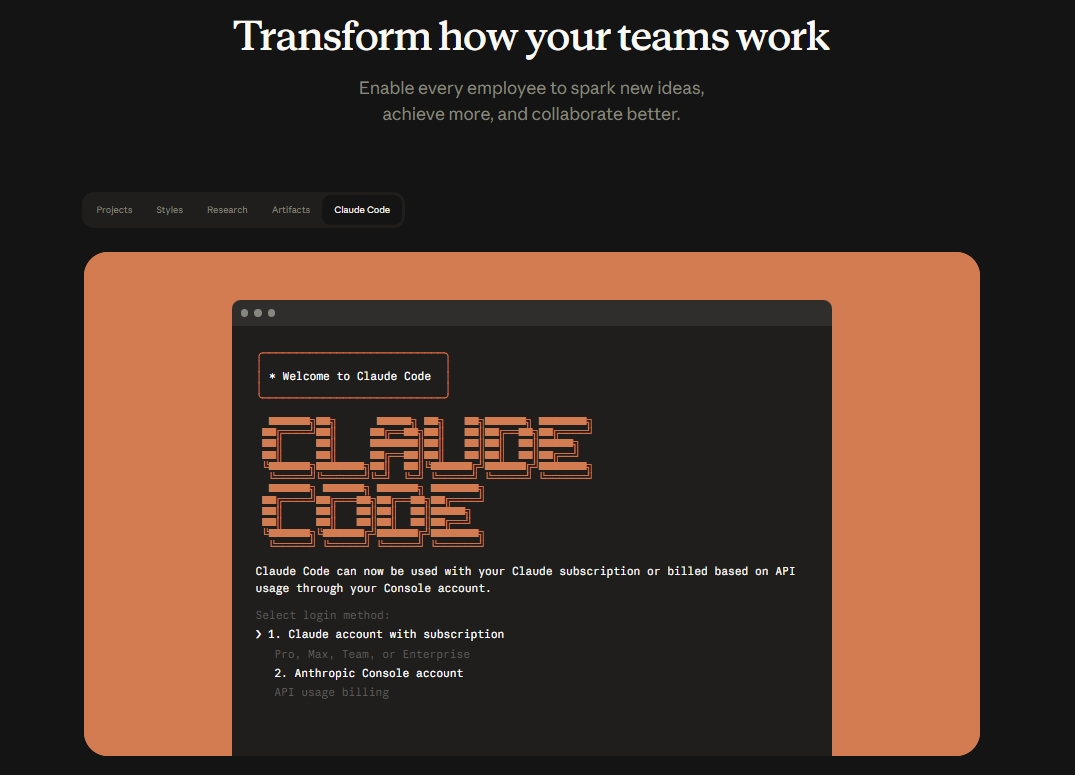
Key areas of impact include:
- Accelerated Prototyping: Ideas move from concept to functional prototype far quicker, allowing for rapid iteration and validation.
- Focus on High-Value Tasks: Developers spend less time on repetitive coding and more time on complex problem-solving, architectural design, and creative innovation.
- Democratization of Development: Lowering the barrier to entry for new developers by providing intelligent assistance, making iOS development more accessible.
- Enhanced Collaboration: Teams can establish common understanding faster by leveraging AI for consistent code generation and documentation.
- Continuous Learning and Adaptation: Developers are prompted to learn and adapt to new AI-driven tools, expanding their skill sets and critical thinking.
Ultimately, Claude Code IOS isn’t just a tool; it’s a catalyst for a more dynamic, creative, and productive development ecosystem.
Boosting Productivity with Claude Code IOS
Boosting productivity with Claude Code IOS is a primary driver for its adoption. This isn’t a vague promise; it’s a tangible outcome seen in daily iPhone coding tasks.
Here’s how Claude achieves significant productivity gains:
- Eliminating Boilerplate: Claude rapidly generates repetitive setup code, data models, and view controllers, instantly saving hours.
- Faster Feature Implementation: From a simple UI button to a complex network layer, Claude can draft the initial code, cutting down implementation time by a substantial margin.
- Instant Knowledge Retrieval: Instead of searching documentation, ask Claude how to implement a specific iOS API or design pattern, getting immediate, actionable code.
- Reduced Context Switching: By having an intelligent assistant integrated into your IDE, you spend less time switching between tools or searching the web, keeping you in flow.
- Automated Testing Scaffolding: Claude can even help generate basic unit tests or UI tests for the code it produces, ensuring quicker test coverage.
- Refactoring and Optimization Suggestions: Get AI-powered advice on how to improve existing iPhone coding, making your work more efficient and higher quality.
By leveraging these capabilities, Claude Code IOS empowers developers to achieve unprecedented levels of efficiency and focus on what truly matters: building incredible apps.
Frequently Asked Questions
What is Claude Code iOS and how does it change mobile development?
Claude Code iOS is an advanced AI assistant that revolutionizes mobile development on Apple devices by integrating intelligent assistance into the iPhone coding workflow, transforming complex challenges into manageable tasks and boosting efficiency.
What are Claude’s core capabilities for iOS development?
Claude offers contextual comprehension, framework expertise (understanding UIKit, SwiftUI, etc.), logical reasoning for problem-solving, and pattern recognition to guide developers towards robust solutions.
How does Claude AI assist in code generation for iOS projects?
Claude AI interprets natural language prompts, analyzes the project context, synthesizes necessary iPhone coding, and delivers functional, context-aware code tailored to existing architectural patterns.
What are the main benefits of using Claude for iOS development?
Benefits include accelerating feature development, generating clean and idiomatic code, ensuring consistency across projects, providing intelligent suggestions for problem-solving, and helping new developers learn iOS frameworks faster.
What are some key security considerations when using Claude Code iOS?
Important security considerations include being mindful of data privacy by avoiding sensitive information in prompts, running vulnerability scans on generated code, managing dependencies securely, ensuring robust authentication, and performing rigorous input validation.