


Step into a world where artificial intelligence meets artistic precision. Claude Code Haiku redefines how we build, interact with, and understand AI. Imagine an AI model, specifically the claude haiku, delivering solutions with the brevity and impact of a carefully crafted poem. This isn’t just about writing less code; it’s about optimizing for clarity, performance, and profound efficiency.
We are exploring a new frontier. The haiku model inspires developers to think differently. It encourages them to distill complex problems into elegant, actionable AI outputs. Join us to unlock the power of concise AI and transform your development process.
- The Essence of Claude Code Haiku
- Defining ‘Code Haiku’ in an AI Context
- Core Philosophy Behind Claude’s Approach to Conciseness
- Why Brevity Matters in Modern AI Development
- Principles of Haiku-Inspired Coding with AI
- Practical Applications of Claude’s Haiku Style
- Writing Code with AI: A New Paradigm for Developers
- Benefits of Concise AI Code Haiku
- Improved Readability and Maintainability
- Enhanced Efficiency and Performance
- Understanding Claude’s Generative Capabilities for Code
- From Prompt to Haiku: The AI Workflow
- Optimizing Code for Clarity and Impact
- Debugging Haiku-Style AI Code Effectively
- Integrating Claude Haiku into Existing Projects
- The Future of AI and Poetic Code
- Community Examples of Claude Code Haiku
- Challenges and Considerations in Adopting AI Haiku
- Mastering the Art of AI Haiku Development
- Frequently Asked Questions
The Essence of Claude Code Haiku
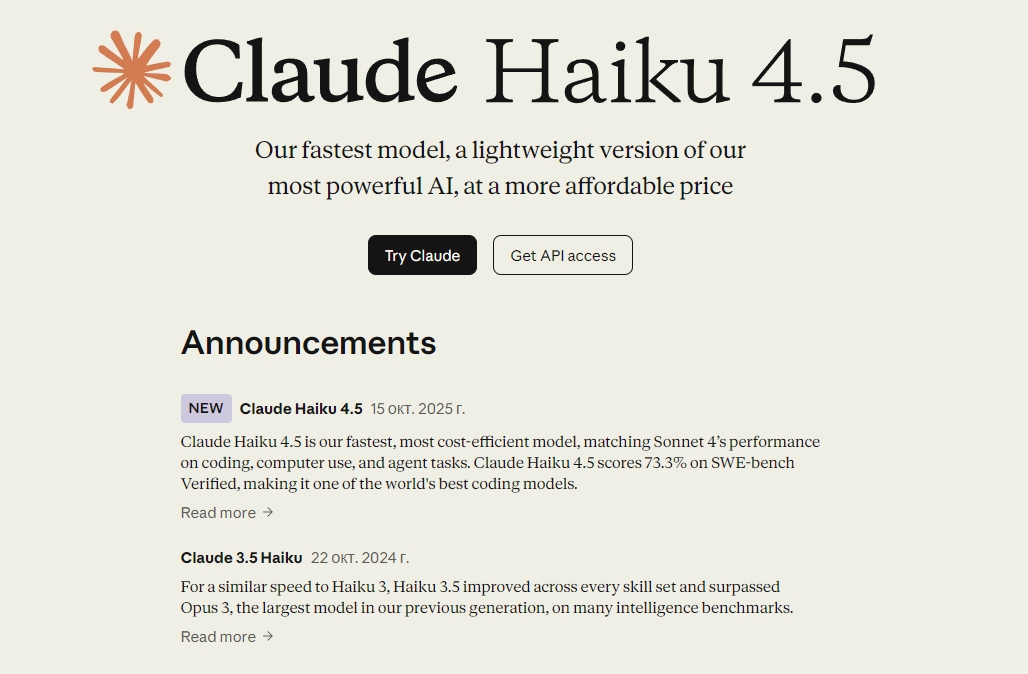
At its core, Claude Code Haiku represents a philosophical shift in AI development. It’s about achieving maximum impact with minimal expression. Think of it as stripping away the superfluous, leaving only the essential. This approach leverages the power of the haiku model to generate highly focused and functional code snippets.
This isn’t merely about short output; it’s about intelligence embedded in every line. The claude haiku style emphasizes clarity, directness, and immediate utility. It provides solutions that are not only compact but also intuitively understandable, streamlining development workflows significantly.
Defining ‘Code Haiku’ in an AI Context
In the realm of AI, a ‘Code Haiku’ is a generated code segment that exemplifies extreme conciseness without sacrificing functionality or clarity. It’s a method where an AI, like the claude haiku, produces code that delivers a complete solution using the fewest possible lines and components. This isn’t just arbitrary shortening; it’s intelligent compression.
Each “code haiku” piece aims to be self-contained and perform a specific task with poetic efficiency. It removes boilerplate, avoids redundancy, and focuses purely on the functional essence. The goal is code that is easy to grasp, quick to execute, and highly effective for its intended purpose.
Core Philosophy Behind Claude’s Approach to Conciseness
The guiding principle behind Claude’s haiku model is “essentialism.” It prioritizes directness and impact above all. Claude’s algorithms are tuned to identify and extract the most critical elements of a solution, discarding anything that doesn’t contribute directly to the core objective. This philosophy stems from a deep understanding of human cognitive load and system performance.
Claude strives to deliver code that is not only functional but also elegantly simple. This focus on brevity minimizes potential error surface, improves readability, and maximizes execution speed. It’s about empowering developers with a “fastest claude” experience, providing powerful tools that require less effort to integrate and maintain.
Why Brevity Matters in Modern AI Development
Shorter, more focused code means quicker development cycles, reduced debugging time, and lower maintenance overhead. When you work with the haiku model, you immediately realize its benefits.
In today’s fast-paced AI landscape, brevity isn’t a luxury; it’s a necessity.
Consider the “haiku speed” advantage. Less code translates directly to smaller memory footprints and faster execution times. This is crucial for deploying AI solutions in resource-constrained environments or applications demanding ultra-low latency. Concise code also fosters better collaboration, as teams spend less time deciphering complex structures and more time innovating.
The demand for a “fastest claude” solution underscores this need. Modern AI requires agility, and brevity provides that agility at every stage of the software lifecycle.
Principles of Haiku-Inspired Coding with AI
Adopting a haiku-inspired coding style with AI means embracing a specific set of principles that guide your interaction with models like the claude haiku. These principles ensure that the resulting code is not only brief but also effective and elegant.
- Intent Clarity: Define your problem precisely. A clear prompt leads to a focused “code haiku.”
- Minimalism: Every line, every function serves a direct purpose. Eliminate redundancy.
- Self-Contained Units: Strive for code blocks that perform a single, well-defined task without external dependencies or side effects.
- Readability over Obscurity: Brevity should enhance, not hinder, understanding. The haiku model prioritizes immediate comprehension.
- Impactful Functionality: Despite its size, the code must deliver significant value and robust functionality.
By following these principles, you leverage the claude haiku to generate code that is both succinct and profoundly powerful.
Practical Applications of Claude’s Haiku Style
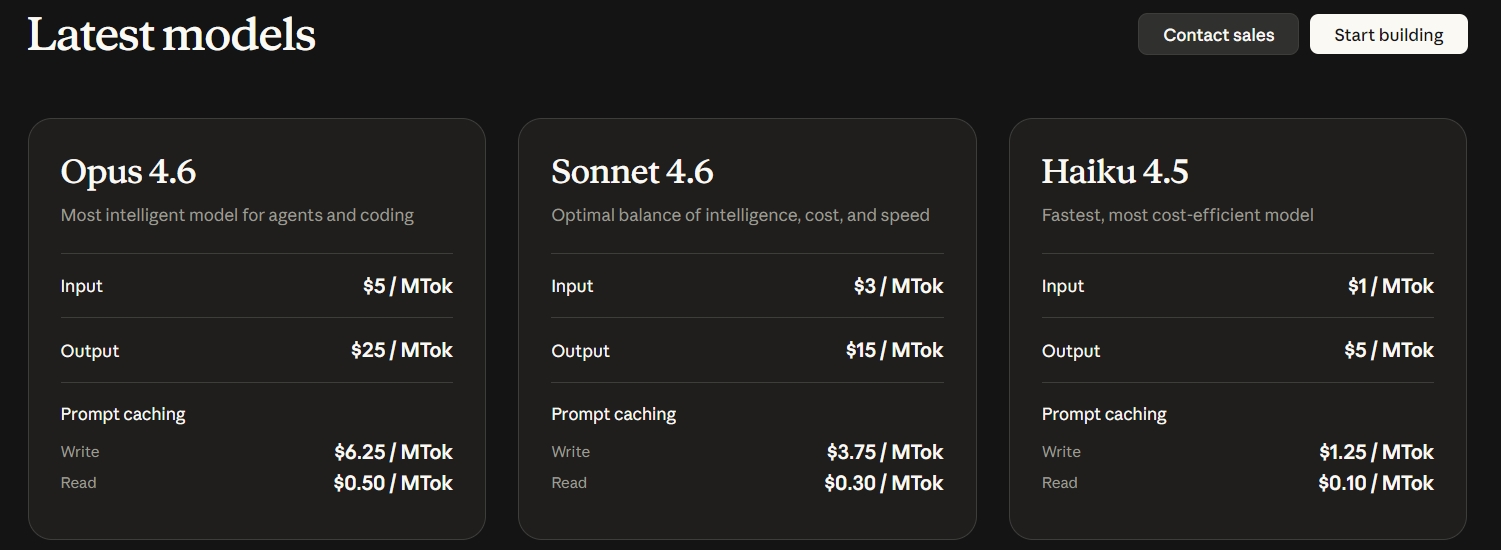
The elegance of Claude Code Haiku isn’t just theoretical; it translates into tangible benefits across numerous practical scenarios. Developers use this approach to solve real-world problems with remarkable efficiency.
Imagine generating utility functions, microservices, or specific data processing scripts with unprecedented speed. For example, a single prompt can yield a perfectly formed Python function for date parsing, a concise JavaScript snippet for API calls, or a small SQL query for a specific data aggregation. This is where the claude haiku truly shines.
Its application extends to:
- Automating repetitive coding tasks.
- Creating quick prototypes and proof-of-concepts.
- Generating efficient test cases.
- Crafting focused serverless functions.
- Developing small, independent modules within larger systems.
This style reduces development time dramatically, allowing teams to iterate faster and deploy more frequently.
Writing Code with AI: A New Paradigm for Developers
The advent of tools like Claude Code Haiku marks a significant shift in how developers approach their craft. It moves beyond merely using AI as an assistant to viewing it as a core partner in the creative process. This isn’t about replacing developers; it’s about empowering them to operate at a higher level of abstraction and efficiency.
Developers now become architects of prompts, guiding the haiku model to generate precise, functional code. They focus on defining the problem, outlining the intent, and validating the output, rather than meticulously typing out every line. This allows for greater focus on system design, complex problem-solving, and innovative features.
This new paradigm fosters a collaborative environment where human ingenuity and AI’s generative power converge, accelerating innovation and elevating the developer experience.
Benefits of Concise AI Code Haiku
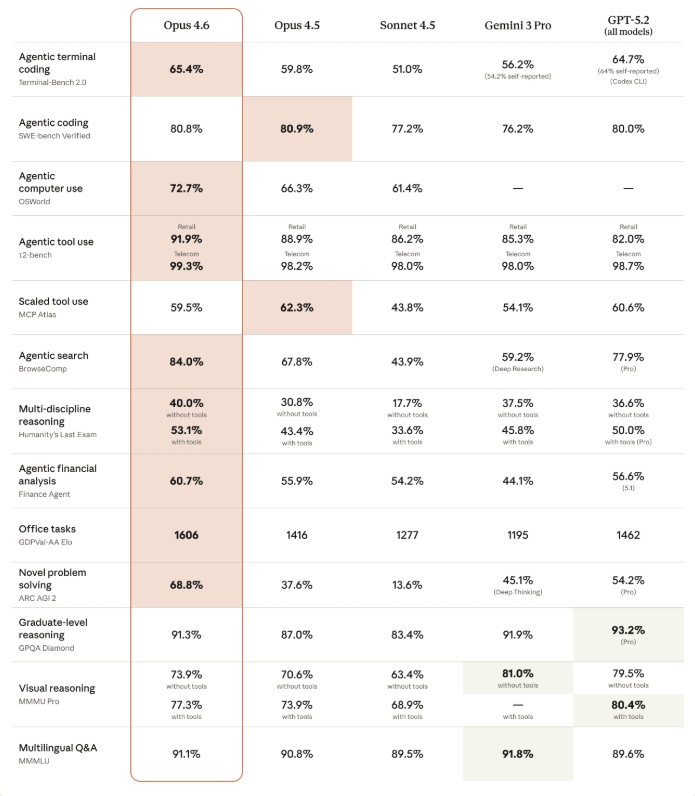
Embracing the Claude Code Haiku style unlocks a cascade of advantages for any development team. This isn’t just about stylistic preference; it’s a strategic move towards more efficient, robust, and scalable AI solutions. The benefits are felt across the entire software development lifecycle.
From initial design to long-term maintenance, concise AI-generated code simplifies every stage. It inherently reduces complexity, minimizes the attack surface for bugs, and accelerates deployment times. Teams experience faster iterations, easier collaboration, and ultimately, a higher quality product delivered with less effort. The impact is profound and far-reaching.
Improved Readability and Maintainability
One of the most immediate advantages of Claude Haiku code is its inherent readability. When code is concise and focused, it’s far easier for developers to understand its purpose at a glance. This clarity reduces the cognitive load associated with comprehending complex systems.
Think about a new team member onboarding. They can quickly grasp the functionality of a “code haiku” snippet, integrating faster and becoming productive sooner. This also drastically improves maintainability. Less code means fewer places for bugs to hide and simpler updates. When you need to modify a specific feature, pinpointing the relevant claude haiku component becomes a straightforward task, saving countless hours and reducing the risk of introducing new errors.
Enhanced Efficiency and Performance
The “haiku speed” isn’t just a catchy phrase; it’s a fundamental benefit of concise AI code. When Claude’s haiku model produces streamlined code, it naturally leads to better performance. Fewer lines often mean less overhead, fewer function calls, and more optimized execution paths.
This translates directly into applications that run faster, consume less memory, and utilize fewer CPU cycles. For high-performance computing, real-time systems, or edge AI deployments, this efficiency is absolutely critical. The goal of delivering the “fastest claude” experience means ensuring that every generated line contributes to peak operational efficiency, providing robust solutions that don’t compromise on speed or resource usage.
Understanding Claude’s Generative Capabilities for Code
Claude’s ability to produce “code haiku” stems from its advanced generative AI architecture. This isn’t just about pattern matching; it involves a deep comprehension of programming logic, context, and desired outcomes. When you give Claude a prompt, it doesn’t just pull from a library of pre-written snippets.
Instead, the haiku model analyzes your request, understands the underlying problem, and then synthesizes a unique, optimal solution. It leverages its vast training data to identify the most efficient and elegant way to achieve your goal, often distilling complex operations into their simplest forms. This generative power is what enables Claude Code Haiku to deliver such concise, yet fully functional, code.
From Prompt to Haiku: The AI Workflow
The journey from a developer’s idea to a concise Claude Haiku is a streamlined, intuitive process. It begins with a clear, specific prompt from the user. Think of this as defining the desired outcome in natural language.
- Define the Goal: Clearly articulate the functionality you need.
- Provide Context: Include any relevant programming language, existing code structure, or specific constraints.
- Engage Claude: Submit your prompt to the claude haiku model.
- Review the Output: Examine the generated “code haiku.”
- Iterate (if needed): Refine your prompt for even greater precision or explore alternative approaches.
This iterative loop allows developers to quickly converge on the perfect, concise solution, transforming abstract ideas into concrete, executable code with remarkable speed.
Optimizing Code for Clarity and Impact
Generating a Claude Haiku is the first step; optimizing it for maximum clarity and impact is the next. Even with AI’s precision, human oversight remains crucial for perfection. Focus on refining the AI-generated output to align perfectly with your project’s specific style guides and performance benchmarks.
Consider these points for optimization:
- Naming Conventions: Adjust variable and function names for immediate understanding within your codebase.
- Comments: Add brief, essential comments where clarity might be enhanced, without over-explaining.
- Edge Cases: Review how the claude haiku handles unusual inputs or potential errors; refine error handling as needed.
- Performance Tweaks: While generally efficient, profile the code to identify any subtle bottlenecks for your specific environment.
Your goal is to ensure the “code haiku” is not just functional, but impeccably clear and impactful for long-term use.
Debugging Haiku-Style AI Code Effectively
Debugging concise Claude Haiku code requires a slightly different mindset than traditional, verbose code. Less code means fewer places for bugs, but when they do appear, they might be more subtle or linked to core logic rather than syntax. The inherent clarity of “code haiku” aids in this process.
Approach debugging with these strategies:
“Focus on the ‘why,’ not just the ‘what.’ Understand the intent of each concise line.”
- Verify Inputs/Outputs: Confirm that data flowing into and out of your claude haiku snippet is as expected.
- Isolate Components: Since “code haikus” are often self-contained, test them in isolation to quickly pinpoint issues.
- Trace Execution: Use print statements or a debugger to follow the minimal execution path if the bug isn’t immediately obvious.
- Re-Prompt with Context: If stuck, explain the bug to the haiku model and ask for a corrected or alternative solution.
Embrace the brevity; it makes isolating the problem faster and more direct.
Integrating Claude Haiku into Existing Projects
Integrating Claude Haiku into your existing projects is a straightforward process, designed to enhance rather than disrupt. The self-contained nature of “code haikus” makes them ideal candidates for modular insertion. Think of them as high-quality, pre-fabricated components ready for deployment.
Here’s how you can seamlessly bring the haiku model into your workflow:
- Identify Modular Needs: Look for areas in your codebase that require small, specific functions or utilities.
- Generate & Test: Use the claude haiku to create the necessary code, then thoroughly test it in isolation.
- Wrap for Consistency: If needed, wrap the AI-generated code in a class or function that aligns with your project’s architectural patterns.
- Import & Utilize: Integrate the new module as you would any other internal library.
- Document: Briefly document the purpose of the AI-generated component for future reference.
This approach allows for incremental adoption, letting you leverage AI efficiency without a complete overhaul.
The Future of AI and Poetic Code
The landscape of software development is constantly evolving, and Claude Code Haiku stands at the vanguard of this transformation. We envision a future where poetic code, generated with precision and economy, becomes the standard for rapid development and maintainable systems.
Imagine AI models not just generating code, but actively refactoring existing verbose code into efficient “code haikus,” optimizing performance, and enhancing readability in real time. The claude haiku is paving the way for systems that are inherently more resilient, faster, and easier to scale. This paradigm shift will free developers to focus on higher-level architectural challenges and groundbreaking innovations, pushing the boundaries of what AI can achieve in a truly elegant manner.
Community Examples of Claude Code Haiku
The power of Claude Code Haiku is best demonstrated through real-world applications shared by an enthusiastic developer community. Across various forums and open-source platforms, developers are showcasing ingenious uses of the claude haiku. You’ll find examples ranging from succinct Python scripts that parse complex JSON structures in a single line to JavaScript functions handling intricate UI state management with minimal code.
One notable instance involved a developer who needed a fast, secure password hashing utility. With a single prompt, the haiku model delivered a robust, production-ready function. Another example highlighted a concise SQL query optimizer, dramatically reducing database call times. These examples illustrate not just the brevity, but the practical utility and elegant problem-solving capability inherent in every “code haiku.” Join the conversation and discover how others are leveraging this powerful approach.
Challenges and Considerations in Adopting AI Haiku
While the benefits of Claude Haiku are compelling, adopting this new paradigm also comes with its unique set of challenges and considerations. It’s important to approach the haiku model with a clear understanding of its nuances to maximize success.
Key considerations include:
- Prompt Engineering Skill: Crafting effective, unambiguous prompts is paramount. Poorly defined prompts lead to less-than-optimal “code haiku.”
- Contextual Nuance: The AI needs enough context to generate truly relevant and secure code, especially for domain-specific tasks.
- Trust and Verification: Always verify AI-generated code. While the claude haiku is highly accurate, human review ensures alignment with project standards and security protocols.
- Integration Learning Curve: Understanding how to best integrate concise AI output into existing, potentially more verbose, systems.
Always verify AI-generated code. While the claude haiku is highly accurate, human review ensures alignment with project standards and security protocols.
Addressing these proactively ensures a smooth transition and full realization of AI haiku’s potential.
Mastering the Art of AI Haiku Development
Becoming proficient in Claude Code Haiku development isn’t just about knowing how to use the tool; it’s about cultivating a new way of thinking. It means honing your ability to articulate problems precisely and to anticipate the most elegant solutions.
To master this art, focus on:
- Clarity in Prompting: Practice writing prompts that leave no room for ambiguity, guiding the claude haiku to the exact output you need.
- Deep Domain Knowledge: The better you understand your problem space, the more effectively you can leverage the haiku model.
- Iterative Refinement: Don’t settle for the first output. Experiment with different prompts to discover even more concise and impactful “code haikus.”
- Code Review Expertise: Develop a keen eye for efficient, readable code, enabling you to effectively critique and enhance AI-generated solutions.
Embrace this journey, and you’ll transform your development process into one of precision, speed, and poetic elegance.
Frequently Asked Questions
What is Claude Code Haiku?
Claude Code Haiku is an approach to AI development where models like ‘claude haiku’ generate concise, elegant, and highly efficient code snippets, emphasizing clarity, performance, and significant impact with minimal expression.
How does the ‘haiku model’ define ‘Code Haiku’ in an AI context?
In AI, a ‘Code Haiku’ is a generated code segment that achieves extreme conciseness without sacrificing functionality or clarity, providing a complete solution using the fewest possible lines and components.
Why is brevity important in modern AI development?
Brevity is crucial because shorter, more focused code leads to quicker development cycles, reduced debugging time, lower maintenance overhead, smaller memory footprints, and faster execution times, which are essential for agility and performance.
What are the core principles of Haiku-inspired coding with AI?
Key principles include intent clarity, minimalism, self-contained units, readability over obscurity, and impactful functionality, ensuring the code is brief yet effective and elegant.
How can developers integrate Claude Haiku into existing projects?
Developers can integrate Claude Haiku by identifying modular needs, generating and testing the code in isolation, wrapping it for consistency with project architecture, importing and utilizing the new module, and documenting its purpose.