


Unlock the future of artificial intelligence with Claude Code South Korea! We are witnessing a pivotal moment as cutting-edge AI, like Claude, deeply integrates into the vibrant South Korean tech landscape. This isn’t just about new technology; it’s about reshaping industries, driving innovation, and setting new benchmarks for intelligent systems across Asia.
South Korea stands at the forefront of technological adoption. Its rapid embrace of advanced AI solutions positions it as a global leader. The introduction and increasing adoption of Claude Code South Korea are creating exciting waves, promising significant shifts in:
- AI development methodologies and efficiency.
- Market dynamics and competitive intelligence.
- The overall future impact on various local sectors.
Join us as we explore how Claude’s capabilities are empowering developers and businesses, creating unparalleled opportunities for innovation and growth for South Korea users.
- Understanding Claude AI’s Capabilities and Offerings
- The Dynamic Rise of AI in South Korea’s Tech Landscape
- Key Players and Innovators in the South Korean AI Ecosystem
- Anthropic’s Strategic Approach for the South Korean Market
- How Developers are Leveraging Claude Code in Korea
- Practical Applications of Claude AI in Local Industries
- Integrating Claude into Existing South Korean Systems
- Navigating Challenges and Unlocking Opportunities for AI Adoption
- Challenges in AI Adoption:
- Unlocking Opportunities with AI:
- South Korean Tech Giants and Their AI Integration Strategies
- Addressing Ethical AI Considerations in South Korea
- The Evolving Regulatory Environment for AI in Korea
- Comparing Claude with Other Leading LLMs in the Korean Market
- Claude vs. Homegrown AI Solutions in Korea
- Educational Initiatives and Talent Development for AI in Korea
- Emerging Trends in South Korea’s Advanced AI Scene
- The Transformative Impact of Claude on Local Korean Industries
- Getting Started with Claude Code: A Comprehensive Guide
- Accessing the Claude API in South Korea
- Best Practices for Claude Code Deployment and Optimization
- The Vital Role of Government in Fueling AI Innovation in Korea
- Frequently Asked Questions
Understanding Claude AI’s Capabilities and Offerings
Claude AI brings a new paradigm to the world of large language models. Developed by Anthropic, its core design focuses on safety, helpfulness, and honesty. This philosophy underpins every aspect of its sophisticated capabilities, making it a compelling choice for complex applications.
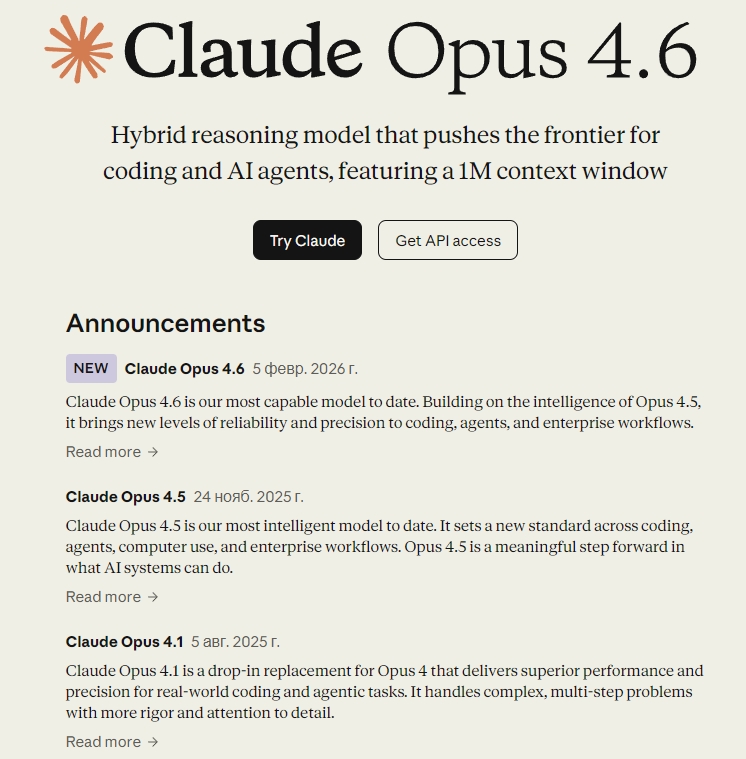
What truly sets Claude apart? Its advanced reasoning skills and extended context windows allow it to handle intricate tasks with remarkable accuracy. Whether you need assistance with nuanced content generation, sophisticated data analysis, or complex problem-solving, Claude delivers.
Experience the power of a truly intelligent assistant. Claude offers more than just answers; it offers reliable, insightful, and safe collaboration.
Key offerings that empower South Korea users include:
- Natural Language Understanding: Claude grasps subtle meanings and context, leading to highly relevant and coherent outputs.
- Creative Content Generation: From marketing copy to code snippets, Claude generates diverse and high-quality creative assets.
- Robust Safety Features: Designed with Constitutional AI principles, Claude minimizes harmful outputs, ensuring responsible deployment.
- Adaptable API Access: Developers can seamlessly integrate Claude into existing applications, customizing its behavior for specific needs.
The Dynamic Rise of AI in South Korea’s Tech Landscape
South Korea’s tech landscape pulsates with innovation, and AI stands firmly at its epicenter. This nation consistently pushes boundaries, transforming challenges into opportunities for technological advancement. The rapid adoption rate for new technologies here is truly exceptional, creating fertile ground for AI growth.

We see a potent combination driving this rise:
- Governmental Foresight: Proactive policies and substantial investment champion AI research and development.
- Hyper-connected Infrastructure: World-class internet speeds and widespread smartphone penetration create an ideal environment for AI-powered services.
- Talent Pool: A highly educated and tech-savvy workforce eagerly embraces cutting-edge tools and methodologies.
This vibrant ecosystem fosters fierce competition and groundbreaking collaborations, propelling AI from theoretical concepts into practical, impactful solutions across every sector. From smart cities to personalized healthcare, AI is not just a trend; it’s a fundamental pillar of South Korea’s digital future. The demand for advanced solutions, including sophisticated models like Claude Code South Korea, continues to surge.
Key Players and Innovators in the South Korean AI Ecosystem
South Korea’s AI ecosystem thrives on a rich blend of established giants and nimble startups. These innovators collectively drive the nation’s rapid progress in artificial intelligence, shaping the future for korean customers and beyond. Their contributions span research, development, and commercialization across diverse sectors.
Meet some of the driving forces:
- Conglomerate Powerhouses: Tech titans like Samsung, LG, and Naver pour significant resources into AI research. They integrate AI across their vast product lines, from consumer electronics to cloud services and autonomous driving.
- Dynamic Startups: A vibrant startup scene constantly emerges with specialized AI solutions. Companies focusing on natural language processing, computer vision, and AI-driven analytics attract considerable investment and talent. They often target niche markets, providing agility and innovation.
- Academic & Research Institutions: Leading universities and research centers actively contribute to fundamental AI breakthroughs. They collaborate with industry, bridging the gap between theoretical advancements and practical applications.
- Government-backed Initiatives: Various government agencies fund and support AI development through grants, incubation programs, and strategic partnerships, fostering a conducive environment for innovation.
This collaborative yet competitive environment ensures a steady stream of cutting-edge AI solutions, benefiting every south korea user.
Anthropic’s Strategic Approach for the South Korean Market
Anthropic recognizes South Korea as a pivotal market for advanced AI adoption, particularly for “Claude Code South Korea.” Their strategy is not just about presence; it’s about deep engagement and localization to meet the unique needs of korean customers. They understand that success hinges on more than just powerful technology.
Anthropic’s strategic pillars for South Korea include:
- Localized Partnerships: They actively seek collaborations with leading South Korean tech companies and enterprises. These partnerships ensure Claude integrates seamlessly into existing platforms and resonates with local user experiences.
- Developer Community Engagement: Anthropic invests in fostering a strong developer community. This involves offering resources, support, and direct channels for feedback to help south korea users maximize Claude’s potential.
- Cultural Relevance: Beyond language, Anthropic focuses on ensuring Claude’s outputs and applications align with local cultural nuances and business practices. This makes the AI more intuitive and effective for korean customers.
- Emphasis on Safety and Ethics: Anthropic’s commitment to Constitutional AI strongly resonates in South Korea, where responsible technology development holds high importance. This ethical stance builds trust and encourages broader adoption.
By tailoring their approach, Anthropic aims to establish Claude not just as a tool, but as a trusted partner in South Korea’s AI evolution.
How Developers are Leveraging Claude Code in Korea
Developers in South Korea are quickly discovering the immense potential of Claude Code South Korea. They are not just experimenting; they are actively building sophisticated applications that address real-world challenges and unlock new possibilities. Claude’s robust capabilities make it a go-to choice for a wide array of development projects.
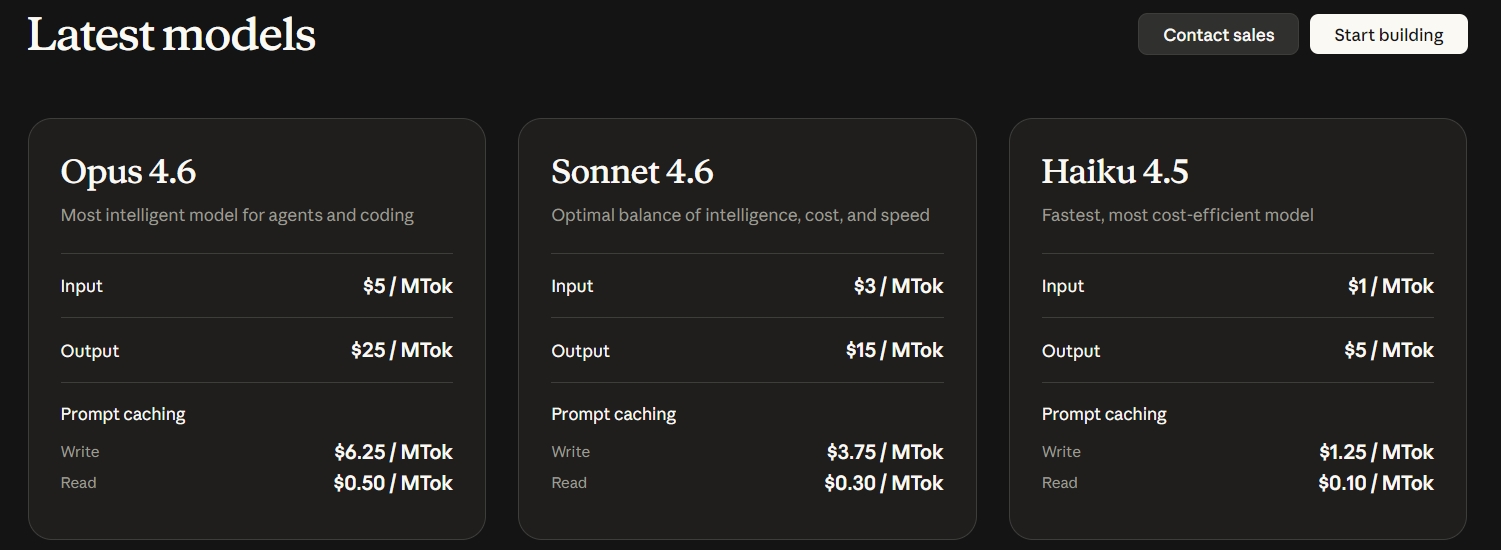
Here’s how south korea users, particularly developers, are putting Claude to work:
- Intelligent Chatbots and Virtual Assistants: Creating more nuanced, context-aware, and helpful conversational AI experiences for customer service, educational platforms, and personal productivity tools.
- Content Automation: Generating marketing copy, technical documentation, news summaries, and even creative storytelling, freeing up human talent for higher-value tasks.
- Code Generation and Debugging: Assisting programmers by generating code snippets, translating between languages, and identifying potential errors, significantly accelerating development cycles.
- Data Analysis and Summarization: Processing vast datasets to extract key insights, summarize complex reports, and identify trends, empowering businesses with faster, more accurate decision-making.
- Personalized Recommendations: Building highly tailored recommendation engines for e-commerce, media, and other platforms, enhancing user engagement and satisfaction.
The flexibility and power of Claude Code are enabling Korean developers to innovate faster and deliver more intelligent solutions across the digital landscape.
Practical Applications of Claude AI in Local Industries
Claude AI is making a tangible difference across various South Korean industries, driving efficiency and fostering innovation. Korean customers are experiencing direct benefits from these transformative applications, pushing industries into a new era of intelligence.
Consider these impactful applications:
- Healthcare: Assisting medical professionals with summarizing research papers, drafting patient communications, and supporting diagnostic processes, leading to more informed decisions and better patient care.
- Finance: Enhancing fraud detection systems, generating personalized financial advice, and automating report creation, strengthening security and improving customer service for south korea users.
- E-commerce & Retail: Powering advanced recommendation engines, personalizing shopping experiences, and automating customer support inquiries, boosting sales and customer loyalty.
- Education: Developing intelligent tutoring systems, creating customized learning materials, and providing instant feedback to students, revolutionizing educational delivery.
- Manufacturing: Optimizing supply chain logistics, analyzing production data for efficiency gains, and generating maintenance reports, streamlining operations.
- Entertainment & Media: Aiding in scriptwriting, content localization, and generating engaging marketing materials, supporting the nation’s thriving cultural exports.
These examples highlight Claude’s versatility and its ability to adapt to distinct industry needs, bringing significant value to the Korean market.
Integrating Claude into Existing South Korean Systems
Seamless integration stands as a cornerstone for successful AI adoption. South Korean enterprises recognize this, and integrating Claude into their established systems is a strategic move to enhance existing workflows without disruption. The process involves thoughtful planning and leveraging robust API capabilities.
Achieving smooth integration often follows these steps:
- API First Approach: Utilizing Claude’s well-documented API allows developers to connect existing applications, databases, and internal tools directly. This ensures data flows securely and efficiently.
- Middleware & Orchestration: Many organizations employ middleware solutions or orchestration layers. These act as a bridge, managing requests to Claude, handling responses, and integrating them into various touchpoints within the enterprise architecture.
- Data Security & Compliance: Strict adherence to South Korean data privacy regulations is paramount. Integration strategies prioritize secure data handling, anonymization where necessary, and compliance with local standards to protect korean customers’ information.
- Scalability Considerations: Designing the integration to scale with demand is crucial. This involves robust infrastructure, efficient request queuing, and monitoring to handle increasing workloads as Claude’s usage expands.
- Phased Rollout: Implementing Claude in stages—starting with pilot projects, gathering feedback, and iteratively refining the integration—minimizes risk and ensures optimal performance before a full-scale deployment.
Strict adherence to South Korean data privacy regulations is paramount. Integration strategies prioritize secure data handling, anonymization where necessary, and compliance with local standards to protect korean customers’ information.
By following these best practices, businesses can successfully embed Claude Code South Korea, enhancing their operations and driving innovation from within.
Navigating Challenges and Unlocking Opportunities for AI Adoption
The journey of AI adoption in South Korea, while promising, also presents its share of challenges. Yet, for every hurdle, there exists a significant opportunity waiting to be unlocked. Understanding both sides helps chart a clear path forward for “asia ai” leadership.
Challenges in AI Adoption:
- Data Privacy & Security: Ensuring robust data governance and protecting sensitive information for south korea users remains a top priority, requiring continuous vigilance and strong regulatory frameworks.
- Talent Gap: Despite a strong educational foundation, a shortage of highly specialized AI engineers and data scientists can slow advanced project development.
- Integration Complexity: Merging new AI systems like Claude with legacy IT infrastructure in large enterprises often poses significant technical and operational hurdles.
- Ethical Concerns: Addressing biases in AI models, ensuring transparency, and tackling job displacement anxieties require careful consideration and proactive solutions.
Unlocking Opportunities with AI:
- Economic Growth: AI drives new industries, creates high-value jobs, and boosts productivity across existing sectors, strengthening South Korea’s global competitiveness.
- Customized Solutions: The ability to tailor AI applications, including Claude Code South Korea, to specific local market needs unlocks immense value for korean customers in diverse industries.
- Global AI Leadership: By proactively addressing challenges and investing in research, South Korea can solidify its position as a global hub for AI innovation and deployment.
- Public Service Enhancement: AI can revolutionize public services, from smart city management to personalized healthcare, improving quality of life for all citizens.
Embracing these challenges as stepping stones allows South Korea to harness AI’s full transformative power.
South Korean Tech Giants and Their AI Integration Strategies
South Korea’s tech giants are not just observers in the AI revolution; they are key architects. Companies like Samsung, LG, Naver, and Kakao are heavily investing in AI, developing comprehensive strategies to integrate it deeply into their vast ecosystems. Their approaches demonstrate a clear vision for driving innovation and enhancing user experiences for korean customers.
Each giant employs distinct yet interconnected strategies:
- Samsung: Device-Centric AI
- Focuses on embedding AI directly into consumer electronics—smartphones, TVs, and home appliances. Their Bixby AI assistant powers seamless interactions, while AI chips enhance on-device processing. They also invest in AI for manufacturing optimization.
- Naver: Platform & Service AI
- Leverages AI to enhance its dominant search engine, mapping services, and e-commerce platforms. Naver Cloud offers AI services, and their labs develop advanced natural language processing and computer vision technologies, vital for a significant portion of south korea users.
- LG: Smart Home & Robotics AI
- Concentrates on AI for smart home appliances and robotics, creating interconnected ecosystems. Their AI aims to anticipate user needs, automate tasks, and improve energy efficiency, making daily life smarter and more convenient.
- Kakao: Lifestyle & Social AI
- Integrates AI across its popular messaging app, KakaoTalk, and its diverse range of services, including ride-hailing, fintech, and content. Their AI personalizes user experiences, streamlines services, and powers intelligent chatbots.
These strategies collectively propel South Korea’s AI agenda, fostering an environment ripe for further AI advancements like Claude Code South Korea.
Addressing Ethical AI Considerations in South Korea
As AI rapidly integrates into daily life, South Korea proactively addresses the critical ethical dimensions surrounding its deployment. Ensuring AI systems are fair, transparent, and beneficial for all south korea users remains a paramount concern. The discussion spans various sectors, from data privacy to algorithmic bias.
Key ethical considerations driving dialogue and policy include:
- Data Privacy and Security: Protecting personal information from misuse and ensuring robust cybersecurity measures are in place for AI systems. This includes strict guidelines on data collection, storage, and processing, especially for sensitive data.
- Algorithmic Fairness and Bias: Actively working to prevent AI models from perpetuating or amplifying existing societal biases. This involves rigorous testing and development of bias detection and mitigation techniques.
- Transparency and Explainability: Striving for AI systems that can explain their decisions, especially in critical areas like healthcare or finance. This builds trust and allows for accountability.
- Human Control and Oversight: Emphasizing that AI should augment, not replace, human judgment, ensuring humans retain ultimate control over critical AI-driven processes.
- Societal Impact: Thoughtfully considering AI’s broader effects on employment, social equity, and economic distribution, and developing strategies to mitigate potential negative consequences.
South Korea’s commitment to ethical AI development safeguards its citizens while fostering responsible innovation. This foundational approach supports the trustworthy adoption of advanced models like Claude Code South Korea.
The Evolving Regulatory Environment for AI in Korea
South Korea’s government actively shapes the regulatory landscape to foster AI innovation responsibly. Recognizing AI’s transformative power, authorities are crafting comprehensive frameworks that balance technological advancement with societal well-being. This proactive stance provides clarity for developers and users of Claude Code South Korea.
Key aspects of this evolving environment include:
- Data Protection Laws: The Personal Information Protection Act (PIPA) forms the bedrock, regulating how personal data is collected, processed, and used by AI systems. Amendments continually adapt to new AI challenges.
- AI Ethics Guidelines: The government has published national AI ethics guidelines, providing principles for trustworthy AI development and deployment. These cover fairness, transparency, accountability, and safety.
- Industry-Specific Regulations: Sector-specific bodies are developing tailored regulations for AI in areas like healthcare, finance, and autonomous vehicles, addressing unique risks and opportunities within each domain.
- Sandbox Programs: Regulatory sandboxes allow companies to test innovative AI services under relaxed regulations for a limited period, accelerating development while gathering data for future policy-making.
- International Cooperation: South Korea actively participates in global discussions on AI governance, contributing to international standards and best practices for asia ai.
This dynamic regulatory approach aims to cultivate a robust and trustworthy AI ecosystem, encouraging both rapid innovation and responsible deployment for all south korea users.
Comparing Claude with Other Leading LLMs in the Korean Market
The South Korean market is a vibrant battleground for large language models, with several powerful LLMs vying for developer attention and enterprise adoption. While each model boasts unique strengths, Claude Code South Korea stands out with its distinct approach to safety and reasoning. Understanding these comparisons helps south korea users make informed decisions.
When stacked against global and local competitors, Claude demonstrates particular advantages:
- Emphasis on Safety and Honesty: Claude’s Constitutional AI framework sets it apart. It’s rigorously trained to be helpful, harmless, and honest, making it a preferred choice for applications where reliability and ethical considerations are paramount.
- Extended Context Window: Claude often boasts a larger context window than many competitors, allowing it to process and understand longer, more complex documents and conversations. This is invaluable for tasks requiring deep comprehension.
- Nuanced Reasoning Capabilities: Developers consistently praise Claude for its ability to perform sophisticated reasoning tasks. It excels at breaking down complex prompts, synthesizing information, and generating coherent, well-structured responses.
- Predictability and Consistency: Due to its foundational principles, Claude often provides more predictable and consistent outputs, reducing the need for extensive fine-tuning in certain applications.
While other models may excel in specific areas like raw speed or multimodal capabilities, Claude’s focus on safety, depth of understanding, and reasoning provides a compelling alternative for many critical applications in the Korean market.
Claude vs. Homegrown AI Solutions in Korea
The competition between international models like Claude and South Korea’s homegrown AI solutions is robust, offering korean customers diverse choices. While local AI benefits from deep cultural understanding and integration, Claude Code South Korea brings global-scale innovation and unique architectural advantages.
Here’s a comparative look:
| Feature/Aspect | Claude AI (Anthropic) | Homegrown Korean AI (e.g., Naver HyperCLOVA, Kakao KoGPT) |
|---|---|---|
| Core Philosophy | Focus on safety, helpfulness, honesty (Constitutional AI). Broad general intelligence. | Strong emphasis on Korean language nuance, cultural context, and seamless integration with existing local services. |
| Language Proficiency | Excellent English and strong capabilities in other major languages, including Korean. | Exceptional native-level proficiency and understanding of Korean linguistic subtleties, idioms, and internet slang. |
| Context Window | Often features a very large context window, enabling deep analysis of extensive documents. | Context window size varies, often optimized for common local use cases and service integrations. |
| Integration Ecosystem | API-driven, designed for broad, adaptable integration into various systems globally. | Deeply integrated into their respective parent company’s ecosystem (Naver, Kakao services), offering native compatibility. |
| Ethical Framework | Built with robust internal safety mechanisms; transparent ethical principles. | Adheres to national AI ethics guidelines and company-specific ethical review boards. |
| Primary Use Cases | Complex reasoning, detailed content generation, safe conversational AI, code assistance. | Personalized local search, customer service chatbots, content generation for local media, localized smart assistants. |
Choosing between Claude and a homegrown solution often depends on the specific use case, the required depth of Korean cultural understanding, and the existing tech stack. Both contribute significantly to the dynamic asia ai landscape.
Educational Initiatives and Talent Development for AI in Korea
South Korea understands that a robust AI ecosystem hinges on a highly skilled workforce. Therefore, extensive educational initiatives and talent development programs are central to the nation’s strategy for AI leadership. These efforts ensure a steady pipeline of experts for technologies like Claude Code South Korea.
The commitment to fostering AI talent is evident in several areas:
- University-Level Specializations: Leading universities have launched dedicated AI departments, graduate programs, and interdisciplinary courses. They focus on machine learning, deep learning, computer vision, and natural language processing.
- Government-Funded Training: Various government agencies sponsor intensive bootcamps and vocational training programs. These aim to upskill existing professionals and attract new talent into the AI field, bridging the industry’s demand for skilled south korea users.
- Industry-Academia Collaboration: Partnerships between tech giants and academic institutions are common. They involve joint research projects, internships, and curriculum development, ensuring graduates possess industry-relevant skills.
- Global Exchange Programs: Initiatives encourage Korean students and researchers to gain international experience in cutting-edge AI labs, bringing back diverse perspectives and expertise to the asia ai scene.
- AI Literacy for All: Efforts extend beyond specialists, promoting AI literacy across the general population. This prepares society for an AI-driven future and encourages broader engagement with new technologies.
These comprehensive strategies build a strong human foundation, ensuring South Korea remains at the forefront of AI innovation.
Emerging Trends in South Korea’s Advanced AI Scene
South Korea’s advanced AI scene is a hotbed of innovation, constantly pushing boundaries and setting new trends. The nation isn’t just adopting AI; it’s actively shaping its future. These emerging trends highlight the dynamic nature of “asia ai” and areas where Claude Code South Korea could find increasing relevance.
Keep an eye on these significant shifts:
- Hyper-Personalized AI: Moving beyond basic recommendations, AI systems are becoming incredibly adept at understanding individual user preferences and predicting needs with unprecedented accuracy, leading to truly bespoke experiences for korean customers.
- Multimodal AI Integration: The convergence of text, image, speech, and video processing within a single AI model is gaining traction. This allows for more comprehensive understanding and richer interactions across various applications.
- Edge AI Development: Processing AI tasks directly on devices, rather than relying solely on cloud servers, increases speed, reduces latency, and enhances data privacy. This is crucial for applications in smart cities and autonomous systems.
- AI for Scientific Discovery: Utilizing AI to accelerate research in areas like material science, drug discovery, and climate modeling. AI helps analyze complex data, identify patterns, and generate hypotheses much faster than traditional methods.
- Trustworthy AI & Explainability: A growing emphasis on developing AI models that are not only powerful but also transparent, fair, and easily interpretable, aligning with ethical guidelines and building public trust.
These trends underscore South Korea’s ambition to lead in advanced AI research and deployment, driving impactful changes across industries.
The Transformative Impact of Claude on Local Korean Industries
Claude Code South Korea is not just a technological addition; it’s a catalyst for deep, transformative change across various local industries. Its advanced capabilities are redefining operational efficiencies, sparking innovation, and creating new value propositions for korean customers. The impact is profound and far-reaching.
Consider the shifts already underway:
- Enhanced Productivity: Industries are leveraging Claude to automate repetitive tasks, generate insights from vast datasets, and streamline content creation. This frees up human capital for more creative and strategic endeavors.
- Improved Customer Experiences: From highly intelligent chatbots in e-commerce to personalized recommendations in entertainment, Claude helps businesses provide more engaging and responsive interactions, boosting customer satisfaction for south korea users.
- Accelerated Innovation Cycles: Developers and researchers use Claude to brainstorm ideas, write code, and analyze complex information, significantly speeding up product development and scientific discovery.
- Smarter Decision-Making: Claude’s ability to process and summarize complex information quickly empowers leaders with better insights, leading to more informed and strategic business decisions across sectors.
- New Business Models: The deployment of Claude is inspiring the creation of entirely new services and business models, particularly in areas requiring advanced natural language understanding and generation.
“Claude truly empowers our teams to achieve more with less, fundamentally changing how we approach problem-solving.” – A Korean Tech Leader.
This transformative power solidifies Claude’s vital role in South Korea’s industrial evolution.
Getting Started with Claude Code: A Comprehensive Guide
Ready to harness the power of “Claude Code South Korea”? Embarking on your journey with Claude is straightforward, opening up a world of advanced AI possibilities for south korea users. This guide provides a clear path to begin integrating this powerful large language model into your projects and workflows.
Whether you are a seasoned developer or new to large language models, Claude offers intuitive interfaces and robust documentation. Your first step involves understanding how to gain access to the API, followed by best practices for effective deployment. We simplify the process to help you quickly leverage Claude’s capabilities for your specific needs.
You’ll discover how Claude can enhance everything from content generation to complex problem-solving. We encourage you to explore its vast potential and see how it can revolutionize your approach to AI-driven solutions.
Start building smarter applications today. The future of AI development for korean customers begins here.
Accessing the Claude API in South Korea
Gaining access to the Claude API in South Korea is your crucial first step to leveraging “Claude Code South Korea” for your projects. Anthropic has streamlined this process to ensure a smooth onboarding experience for developers and businesses. Here’s how you can get started:
- Visit the Anthropic Website: Navigate to Anthropic’s official developer portal or API access page. This is your primary hub for all information regarding Claude.
- Sign Up for an Account: You will typically need to create an account. This involves providing basic contact information and agreeing to the terms of service.
- Request API Access: Anthropic often manages API access to ensure responsible use and manage capacity. You might need to submit an application detailing your intended use cases. Clearly explain how your project will benefit south korea users and align with Claude’s ethical guidelines.
- Receive API Key: Once your application is approved, Anthropic will provide you with a unique API key. This key is essential for authenticating your requests to the Claude API. Keep it secure and never expose it publicly.
- Review Documentation: Thoroughly read the Claude API documentation. It provides comprehensive details on available models, endpoints, request formats, and response structures. This step is vital for successful integration.
With your API key in hand and a grasp of the documentation, you are ready to begin integrating Claude into your applications, unlocking advanced AI capabilities for korean customers.
Best Practices for Claude Code Deployment and Optimization
Deploying Claude Code South Korea effectively involves more than just API calls; it requires strategic optimization to maximize performance, manage costs, and ensure reliability. Follow these best practices to get the most out of Claude for your south korea users.
- Clear Prompt Engineering: Craft concise, unambiguous prompts. Experiment with different phrasing, role-playing, and example-driven prompts to guide Claude toward the desired output. High-quality input yields high-quality output.
- Token Management: Be mindful of the context window and token limits. Optimize your inputs to provide sufficient but not excessive information. Summarize long texts or break down complex tasks into smaller, manageable chunks to stay within limits and control costs.
- Error Handling and Retries: Implement robust error handling in your code. Design your applications to gracefully manage API rate limits or temporary service disruptions, perhaps with exponential backoff retries.
- Caching Strategies: For frequently requested or static responses, implement caching. This reduces redundant API calls, lowers latency, and cuts down on operational costs.
- Cost Monitoring: Regularly monitor your API usage and associated costs. Claude’s usage-based pricing means careful tracking helps optimize expenditure, especially for large-scale deployments serving numerous korean customers.
- Iterative Refinement: Deployment is not a one-time event. Continuously test, gather feedback, and refine your prompts and integration logic. AI models evolve, and your usage strategy should too.
- Security Measures: Ensure your API keys are securely stored and never hardcoded into client-side applications. Use environment variables or secure credential management systems.
By adhering to these practices, you ensure a scalable, efficient, and cost-effective deployment of Claude Code.
The Vital Role of Government in Fueling AI Innovation in Korea
The South Korean government is not a passive observer in the AI revolution; it’s an active driver, playing a vital role in fueling AI innovation across the nation. Their strategic investments and proactive policies create a fertile ground for technologies like Claude Code South Korea to thrive. This commitment underpins the nation’s ambition to be a global “asia ai” leader.
Government initiatives are multi-faceted:
- Substantial R&D Investment: Significant national budgets are allocated to AI research and development projects. This funding supports both public institutions and private companies, pushing the boundaries of AI capabilities.
- National AI Strategies: The government has unveiled comprehensive national AI strategies, outlining long-term visions, key development areas, and specific goals for AI advancement and adoption by south korea users.
- Infrastructure Development: Investments in high-performance computing resources, data centers, and 5G networks provide the essential technological backbone required for advanced AI models.
- Talent Development Programs: Support for AI education at universities and vocational training centers ensures a steady supply of skilled professionals, from researchers to engineers.
- Incubation & Startup Support: Various government-backed programs provide funding, mentorship, and resources for AI startups, fostering a vibrant entrepreneurial ecosystem.
- International Collaboration: Active participation in global AI forums and partnerships with international research bodies aim to share knowledge and accelerate AI progress on a global scale.
This robust governmental support system is indispensable for maintaining South Korea’s competitive edge in the rapidly evolving world of artificial intelligence.
Frequently Asked Questions
What sets Claude AI apart in the realm of large language models?
Claude AI, developed by Anthropic, is distinguished by its core design philosophy focusing on safety, helpfulness, and honesty. It offers advanced reasoning skills and extended context windows, enabling it to handle intricate tasks like nuanced content generation, sophisticated data analysis, and complex problem-solving with remarkable accuracy.
How is the South Korean government contributing to the growth of AI in the nation?
The South Korean government plays a vital role through substantial R&D investment, national AI strategies, infrastructure development, talent development programs (like university specializations and bootcamps), incubation and startup support, and active international cooperation in AI governance.
What are some practical applications of Claude AI in South Korean industries?
Claude AI is being applied across various sectors, including healthcare (summarizing research, drafting patient communications), finance (fraud detection, personalized advice), e-commerce (recommendation engines, customer support), education (tutoring systems, customized materials), manufacturing (supply chain optimization), and entertainment (scriptwriting, content localization).
What ethical considerations are being addressed regarding AI deployment in South Korea?
South Korea is proactively addressing ethical concerns such as data privacy and security (through PIPA), algorithmic fairness and bias, transparency and explainability of AI decisions, maintaining human control and oversight, and carefully considering AI’s broader societal impact on employment and equity.
How can developers in South Korea gain access to the Claude API?
Developers can access the Claude API by visiting Anthropic’s official developer portal, signing up for an account, submitting an application detailing their intended use cases, receiving a unique API key upon approval, and thoroughly reviewing the Claude API documentation for successful integration.